
Contents
Introduction
Fenty Beauty, Kylie Cosmetics, Rare Beauty, Honest Beauty, LolaVie.
What do these names have in common besides being beauty brands?
These are all a part of the rising number of Celebrity-owned beauty brands.
While celebrities have long been associated with beauty brands as brand ambassadors showcasing their faces, hair, and body, to market products it has now become increasingly common to see celebrities move one step ahead and launch beauty products of their own.
Celebrity beauty brands are storming the markets with many celebrities using their public persona to boost their beauty brands.
The question, however, remains: do these brands survive the initial hype and can they outlive this era and be sustainable in the long run?
Sustainability and Long-term Viability
Celebrity beauty brands have sprouted at an unbelievable speed and scale. From Kylie’s Kylie Cosmetics to Rihanna’s Fenty Beauty, these brands have garnered humongous attention and attracted customers through the star power of their founders. With a sales growth of nearly 58% and over one billion U.S. dollars in sales in the United States alone as of 2023, it is no surprise that celebrity-owned beauty brands are loved by consumers.
Whether such brands can go beyond short-term success into becoming legacy brands is however a different story altogether.
While analyzing this market, I identified several key factors that were consistently present in all successful and popular celebrity-owned brands that contributed to their success and those that were common among brands that failed to leave a mark.
Determinants of Sustainable Lifespan
The factors common in all successful ventures included:
1. Product Excellence and Uniformity:
Brands that have seen great success in the market are the ones that have been successful in maintaining the quality of their products. These brands not only have products that adhere to quality standards but are on par and current. Customers are attracted to these brands as they offer guaranteed quality and uniformity in their products.
In the already saturated beauty market, brands with low-quality products cannot attain customer loyalty as consumers are spoilt for choice and easily switch from brands offering low-quality products to their competitors offering better choices quickly. However, with brands offering quality products, it is not easy to make customers switch to competitor brands.
2. Customer Loyalty and Engagement:
One of the reasons for the success of certain celebrity-owned beauty brands is their focus on generating customer loyalty by increasing customer engagement. While celebrity status is a strong motivator in the beginning, it alone is not enough to sustain growth in the long run.
Brands that have attained sustainable growth are the ones that have moved beyond the celebrity persona and have found ways to effectively engage customers through product innovations and relatable brand messaging. Taking active initiative to keep consumers connected or create a brand image that resonates with the customers is what sets successful brands apart from the rest.
3. Continuous Improvisation with Market Trends:
Another common ground I identified in all successful celebrity beauty brands was their awareness of the latest market trends and their promptness in incorporating the latest market trends into their business.
For instance, sustainability, inclusivity, and clean beauty are the leading market trends in the beauty world today and brands like Rihanna’s Fenty Beauty have adapted their products to be on the right side of the curves of these trends, giving them a higher chance to be sustainable in the long run.
Hurdles to Sustainability
Celebrity beauty businesses like Lady Gaga’s Haus Labs or Ariana Grande’s REM Beauty have failed to garner a market despite having huge star power behind them because:
1. Dependence on the Celebrity’s Personal Brand:
Although the celebrity’s personal brand may constitute an initial impulse for sales, sole reliance on the celebrity’s image is always a gamble and may, if things go wrong with the celebrity’s reputation, be very risky.
Businesses like Alicia Keys’ Keys Soulcare failed because they were unable to develop an identity that could stand on its own without the influence of the celebrity.
2. Market Volatility and Shifting Preferences:
The beauty industry is notoriously unpredictable, with consumer preferences constantly evolving. Brands that fail to adapt risk becoming irrelevant.
For instance, businesses that fail to meet as today’s market demands of sustainability, ethical animal treatment, and vegan products are likely to fail. Staying aligned with market shifts is crucial for long-term success.
Challenges and Risks
Celebrity beauty brands appear to have many benefits, but that comes with particular challenges that may affect their sustainability over an extended period. Some of the key risks and challenges include:
1. Excessive Dependence on Celebrity’s Public Image:
Most celebrity brands are inextricably linked to the public face of their owners. When the image of a celebrity is marred by scandals or there is a shift in public opinion, the brand suffers alongside it.
With the influence of social media on the rise, the cancel culture and boycotting of brands have become increasingly common and celebrity-led brands bear the brunt of such cultures due to their constant public exposure.
2. Public Scrutiny:
The lives of stars are open to public scrutiny, and they often face massive media fire from the general public. Celebrity-run brands are under constant public scrutiny and are often accused of not being authentic or of being self-serving.
Consumers are quick to target and drop brands that seem to be designed solely to generate revenue. Most often it is the brands that seem passionate and relatable that draw the attention and loyalty of customers.
3. Market Saturation:
My study of the current beauty market revealed that almost all major celebrities have a stake in the beauty market. With hundreds of celebrities hawking beauty lines, the market is getting cluttered.
If brands do not come up with something notably distinctive or pioneering customers may grow tired of the brands and lose interest in celebrity-led offerings once the novelty of it wears off.
Risk Mitigation Strategies
Celebrity beauty businesses can reduce their risk and enhance their chances of long-term success by:
1. Diversification:
Diversification of product lines or expansion into new markets can help businesses reach a vast audience which in turn can help reduce the risk that comes with saturation. For example, celebrity brands can make their way from skincare to haircare, and even lifestyle products to prevent themselves from becoming stagnant.
One good example is Hollywood star Drew Barrymore’s brand Flower which has expanded from makeup to hair tools, eyewear and even home décor.
2. Developing Brand Character:
An analysis of the celebrity-run beauty industry made me realize that the more sustainable celebrity beauty brands are characterized by their ability to build brand identity as a separate and different thing from the founder’s persona.

Brands have achieved this by creating transparent business practices, focusing on product quality, and creating compelling stories like Rare Beauty whose founder states:
“Being rare is about being comfortable with yourself. I’ve stopped trying to be perfect. I just want to be me.”- Selena Gomez
And whose mission is to help everyone celebrate their individuality by redefining what beautiful means, promote self-acceptance, and give people the tools they need to feel less alone in the world.
3. Crisis Management:
A celebrity beauty brand should be prepared for possible PR crises. Well-developed strategies for crisis management should be available with quick responses to scandals or controversies involving the celebrity that might hit the market and inflict damage on the brand.
Celebrity beauty brands with a strong PR game can successfully mitigate risk and even turn an adverse situation to the advantage of the brand.
A Peek into the Success and Failure of Celebrity-Owned Beauty Brands
While celebrity-owned beauty brands continue to be a rage in the market, not all celebrity-owned beauty brands have seen the same success. My research into this market segment helped me identify the brands that made and those that failed despite the star power associated with them.
1. Fenty Beauty
Fenty Beauty a beauty brand owned by famous singer Rihanna is one of the leading celebrity-owned beauty brands today.
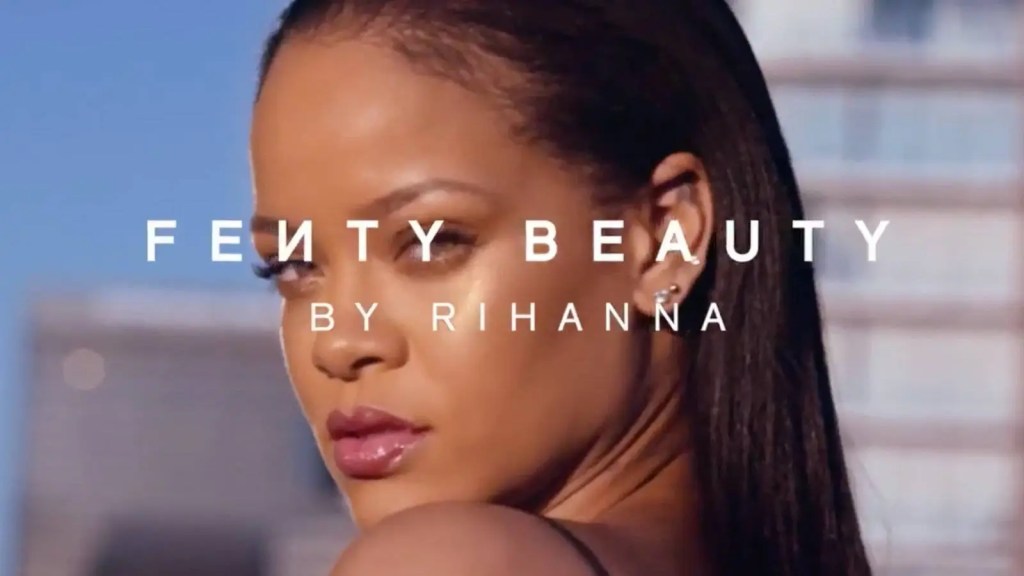
Its success can largely be attributed to its stance on inclusivity with its USP being attention to the needs of diverse consumers. With its range of close to 200 foundation shades, it has successfully managed to meet the makeup needs of people from about every ethnicity.
The high quality and constant product innovation are an added bonus!
2. Rare Beauty
Rare Beauty by Selena Gomez is another brand with unprecedented fan following and support. Selena’s on-point marketing of the product focusing on mental health and body positivity has helped her build a devoted community of customers for her brand.
Rare Beauty’s focus on “breaking down unrealistic standards of perfection” and being “who you are” has resonated with its customers.
3. Halle Scents
Not being a makeup and beauty enthusiast myself, I had never heard of Halle Scents, a fragrance line that was launched by famous Hollywood actor Halle Berry in the mid-2000s.
This beauty brand launched in the early phases of the celebrity-owned beauty brands had the potential to capture the new market but failed to do so due to a lack of product innovation and weak brand identity.
4. Dessert Beauty
Dessert Beauty a beauty line by another Hollywood starlet Jessica Simpson made quite a stir when it first came out, but its absence from the current market clearly indicates its failure.
The poor acceptance of the brand and over-reliance on celebrity status were the reasons behind its ultimate downfall.
Conclusion
The beauty industry business is highly competitive. The mere use of a “celebrity face” alone does not help businesses succeed in the long term. Businesses that focus on sustainability, product quality and brand building are the ones that stand a chance to create a legacy.
Though celebrity influence is definitely a great marketing tool, having a brand USP, good quality products, product uniformity, and a relatable brand identity can go a long way in ensuring a brand creates an identity beyond the celebrity’s name and continues to grow independently.
What do you think of celebrity-owned beauty brands?
Share your views in the comment section below.
To enjoy other such Reviews visit our website.