Contents
Ever Had a Song Stuck in Your Head, But No Idea What It Was?
You’re sitting in a café, sipping your coffee, when a tune comes on that instantly captures your attention. You’ve never heard it before, but it’s perfect. The vocals. The beat. The vibe. You scramble to identify it, maybe even hum it into a search bar, only to come up empty. Sound familiar?
That’s exactly the problem Shazam solves. In seconds.
With over a billion downloads and integrated directly into Apple’s ecosystem, Shazam has become the go-to music identification tool for anyone who doesn’t want to miss out on discovering a great track again. But behind this mainstream fame is a surprisingly powerful app with real use cases, even for businesses in entertainment, retail, or content marketing.
Quick App Snapshot
| App Name | Shazam |
| Best For | Music lovers, DJs, content creators, and retail businesses |
| Platform | iOS, Android, macOS, watchOS |
| Top Feature | Instant music recognition |
A Closer Look at Shazam’s Benefit
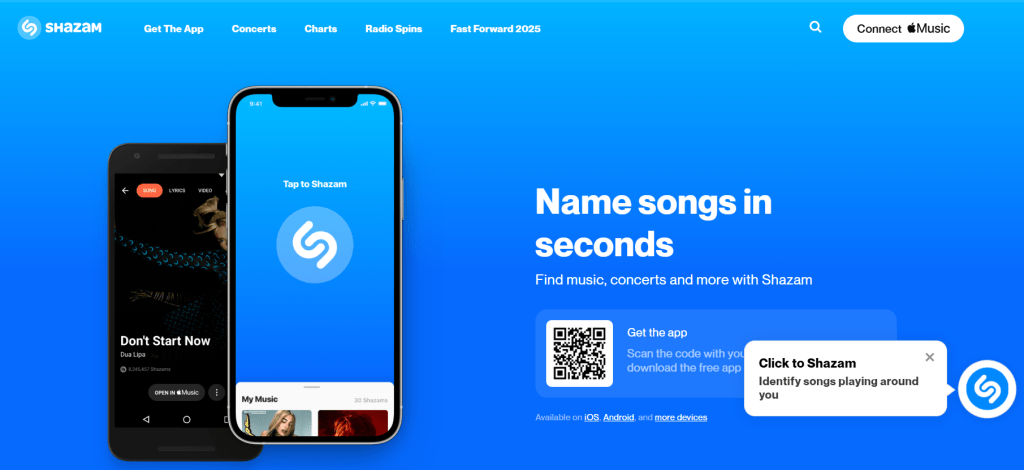
Shazam is a music identification app that allows users to instantly recognize songs playing around them. Whether it’s a soundtrack in a movie, a background tune in a store, or a catchy song at a live concert, Shazam listens for a few seconds and returns the exact song title, artist, album, and even streaming links, all within seconds.
For individuals, it’s a game-changer. But for businesses, it’s even more powerful than it appears on the surface. Imagine running a retail store or restaurant and wondering what music resonates most with your customers. Shazam provides insights by enabling your staff, or even your customers, to log and share those tracks instantly.
Shazam also matters for artists, labels, and marketing teams. When users “Shazam” a song, it provides real-time data on listener interest and engagement. It’s why artists track their Shazam charts alongside Spotify plays, because discovery is where it all starts.
Additionally, the app integrates tightly with Apple Music, meaning users can immediately add songs to playlists, driving engagement for platforms and content creators alike. For businesses that rely on sound branding, think gyms, yoga studios, or creative agencies, Shazam helps standardize and track musical identity across experiences.
Who Is This App REALLY For?
✅ Recommended For
- Content creators looking to discover trending background tracks.
- DJs and music producers identify remix-worthy audio.
- Retail or hospitality businesses curating atmosphere playlists.
- Casual music listeners who always want to capture songs they love.
🚫 Avoid If
- You’re in a sound-restricted environment where music can’t be played aloud.
- You need offline identification without pre-downloading song data.
- You’re looking for full audio editing or remix features (Shazam doesn’t offer this).
- You expect a complex song library management system (Shazam is more about discovery than organization).
Our Hands-On Experience
During hands-on testing, Shazam consistently identified music within 3 to 5 seconds, even in crowded environments with background noise. We tried it in a local Starbucks and a fitness gym. In both places, the app accurately identified songs from mainstream and indie playlists with minimal delay.
One standout real-world use case: During a marketing campaign brainstorm for a podcast client, the team used Shazam to track background scores from trending YouTube videos. This helped them identify rising tracks that aligned with their audience’s tone. In another instance, a retail store used Shazam to create a playlist based on what customers were most frequently asking about, bridging personalization with ambient design.
Shazam automatically logs every search into your library, which you can revisit later. It also offers real-time lyric syncing and video snippets, a pleasant surprise that boosts engagement beyond the core function.

Key Features of Shazam
Instant Song Recognition
The core feature of Shazam remains unmatched in speed and accuracy. Whether it’s a song on the radio, a soundtrack in a mall, or music on TV, the app listens and delivers the artist, title, and streaming links almost instantly.
Shazam Charts
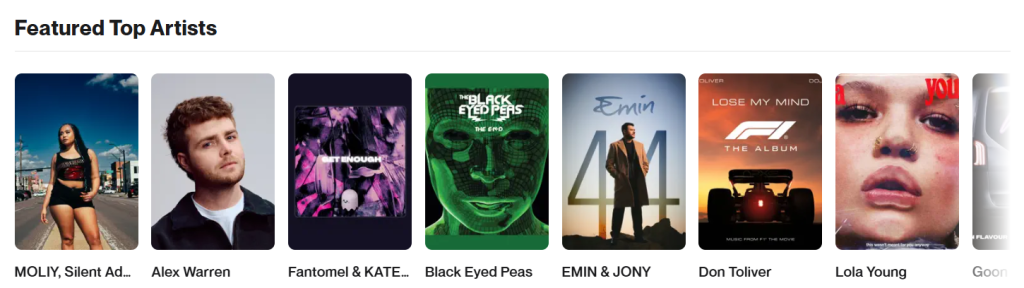
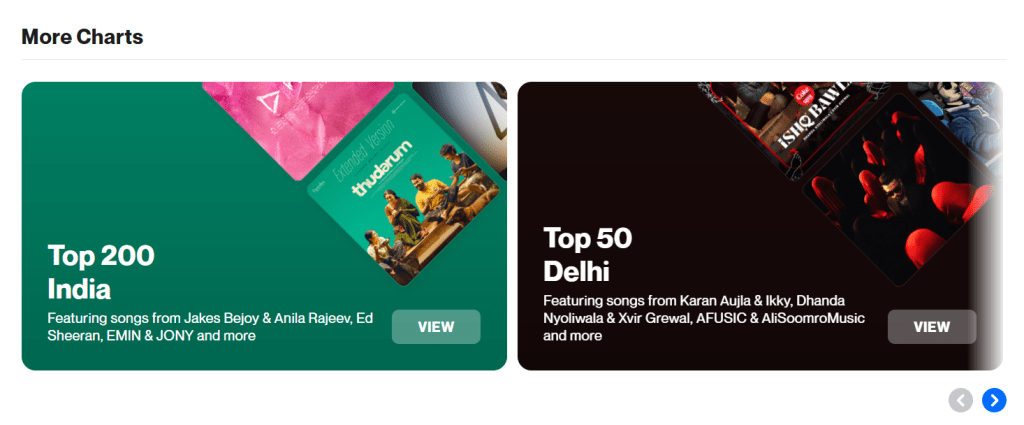
Users can access global and local charts that show which songs are being identified most often. For businesses in the music, content, or media space, this is a goldmine of trend data.
Pop-Up Shazam (Android)
This feature allows you to identify music even when using other apps. Ideal for creators discovering music in Instagram Reels, TikTok, or YouTube without switching apps.
Auto Shazam
With Auto Shazam enabled, the app continues identifying songs in the background, even when not open. This is helpful for users in long listening sessions or live events like concerts or music festivals.
Visual Recognition
While it’s primarily audio-based, Shazam also supports scanning QR codes and posters to recognize content or direct users to multimedia experiences, a useful touch for campaigns or live events.
Sync With Apple Music & Spotify
Shazam lets users seamlessly add discovered songs to their Apple Music or Spotify playlists. For businesses curating branded playlists or agencies managing sound identity, this saves hours of manual work.
Pricing Breakdown
Shazam is completely free to use.
There are no tiers or subscriptions, which makes its ROI potentially infinite, especially for artists, retail chains, or influencers using it as a discovery and engagement tool. No paid upgrade also means minimal adoption friction for large teams or cross-device usage.
Pros and Cons of Shazam
Pros
✅ Incredibly fast and accurate song recognition.
✅ Free to use across all major platforms.
✅ Seamless integration with Apple Music and Spotify.
✅ Rich discovery features like lyrics, charts, and playlists.
Cons
❌ Limited offline functionality.
❌ Not ideal for team-based collaboration or playlist management.
❌ No advanced features for audio editing or DJing.
❌ Integration with other productivity tools is nonexistent.
How It Stacks Up Against Alternatives
SoundHound
SoundHound also allows music recognition but adds voice control and humming-based searches. It’s great for hands-free discovery and has deeper conversational AI features. However, Shazam outpaces it in speed and UI simplicity.
Musixmatch
Primarily known for lyrics, Musixmatch offers synchronized lyrics for Spotify and Apple Music. It’s strong on lyrics but lacks robust song ID capabilities and real-time Shazam-like recognition.
Genius
Genius focuses on in-depth music insights and verified artist annotations. It’s a fantastic research tool, but doesn’t offer the quick, passive discovery experience Shazam delivers in everyday environments.
Does It Deserve a Spot on Your Phone? Let’s check out!
Our Verdict: ⭐️⭐️⭐️⭐️⭐️
If you’re in a business where music, audio branding, or content creation plays a role, Shazam is a must-have. Its zero-cost, low-effort model makes it a frictionless addition to your toolkit.
It’s not a collaboration tool, and it doesn’t aim to be. But for discovering music trends, tagging audio, or simply finding that one perfect song, it’s unbeatable.
Want to explore more apps built to optimize your content workflows or enhance user experience?
Check out our latest reviews on similar tools at ikanabusinessreview.com
Or drop a comment if you’ve used Shazam in your business, and tell us how it worked for you.
Need help creating an app like this for your business? Contact Us and let’s build something impactful together.