Introduction
In today’s competitive retail landscape, customer experience has emerged as a key differentiator.
Augmented Reality (AR) is no longer just a futuristic concept; it is reshaping the way businesses interact with their customers. From enabling virtual try-ons to creating immersive store experiences, AR offers opportunities to innovate and captivate.
For retail founders, the potential of AR is vast—improving conversion rates, reducing return rates, and fostering deeper customer connections.
But how is AR impacting retail, and what can we learn from companies that have implemented it successfully?
Case Studies: Leading the AR Revolution in 2025
1. Sephora: Virtual Try-On Magic
Sephora’s Virtual Artist is a prime example of AR enhancing the beauty shopping experience. By using AR, customers can see how different makeup products look on their faces without physically applying them.
This innovation has increased online sales and reduced product returns. The app’s user-friendly interface and accurate color-matching algorithm set a benchmark for AR in beauty retail.
Key Outcomes:
- 11% increase in conversion rates for users engaging with Virtual Artist.
- 30% reduction in return rates for online purchases.
2. IKEA Place: Virtual Furniture in Your Home
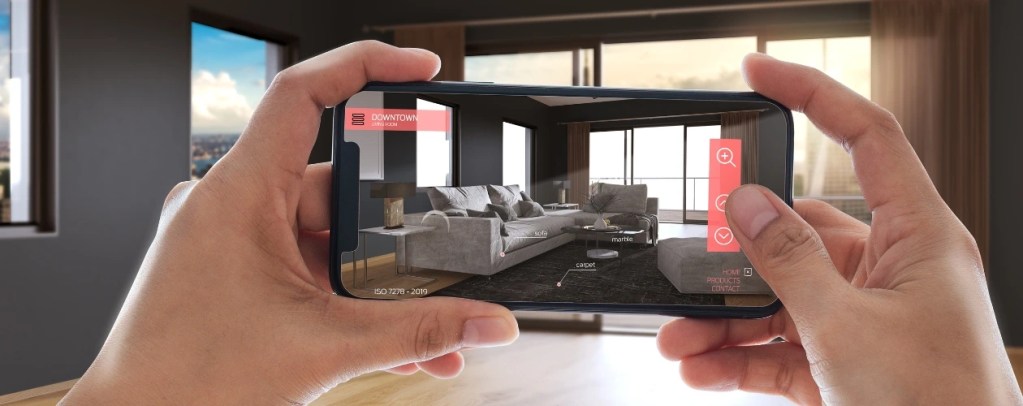
IKEA Place leverages AR to allow customers to visualize how furniture fits into their living spaces. By scanning their room with a smartphone, users can “place” IKEA products virtually and make informed buying decisions.
This eliminates the guesswork and enhances the confidence of online shoppers.
Key Outcomes:
- 35% increase in mobile app engagement.
- Improved customer satisfaction and reduced post-purchase dissonance.
3. Nike: Personalized Shopping with AR
Nike introduced its AR-powered Nike Fit feature, enabling customers to measure their feet and find the perfect shoe size.
By integrating AR with its mobile app, Nike addressed a long-standing challenge in footwear shopping: sizing discrepancies.
Key Outcomes:
- Enhanced customer loyalty due to a more personalized shopping experience.
Challenges in AR Adoption in 2025
Despite its potential, AR in retail isn’t without challenges.
1. High Implementation Costs
For smaller retailers, developing AR solutions can be cost-prohibitive. The need for specialized hardware and software development adds to the initial investment.
2. Technical Limitations
AR requires robust technology infrastructure, including high-speed internet and compatible devices. Any technical glitches can detract from the customer experience.
3. Privacy Concerns
AR applications often require access to user data, such as camera and location. Privacy-conscious customers may hesitate to use such apps, affecting adoption rates.
4. Learning Curve
Customers unfamiliar with AR may find it challenging to navigate, leading to frustration and potential abandonment.
Strategic Insights for Founders
As a founder exploring AR, the key lies in balancing innovation with usability.
Here are some strategic takeaways to guide AR incorporation in your business:
- Start Small and Scale Gradually Pilot AR features with a limited product range before expanding. This approach minimizes risk and allows for iterative improvements.
- Focus on User Experience Prioritize intuitive design and seamless functionality. A smooth user experience can significantly boost customer adoption and satisfaction.
- Collaborate with Tech Partners Partnering with AR technology providers can reduce development costs and accelerate deployment. Companies like Shopify and Snap offer AR integration tools for retailers.
- Leverage Data for Personalization Use AR to gather insights into customer preferences and behaviors, enabling tailored recommendations and marketing strategies.
- Address Privacy Concerns Proactively Be transparent about data usage and invest in robust security measures. Building trust is essential for encouraging AR adoption.
Conclusion
Augmented Reality is more than just a trend—it’s a transformative force in retail.
From enhancing product discovery to reducing returns, AR offers a competitive edge in creating memorable customer experiences. Founders who embrace AR strategically can not only differentiate their brands but also foster lasting customer loyalty.
As AR technology evolves, its role in retail will undoubtedly expand, presenting endless opportunities for innovation.
For more interesting reviews on the retail industry, check this out.