Introduction
The rise of artificial intelligence (lovingly called “AI”) has sparked a heated debate in the marketing world: is AI going to kill marketing?
As businesses increasingly adopt AI into various verticles, the landscape of marketing is undergoing a shift.
The two sides are set: While some fear that AI will replace human creativity and intuition, others see it as a powerful tool that can enhance marketing and drive growth.
This Review explores the transformative impact of AI on marketing, highlighting areas where it seems to be “killing” traditional practices while also examining how businesses can adapt and thrive in this evolving environment.
The Transformative Power of AI in Marketing
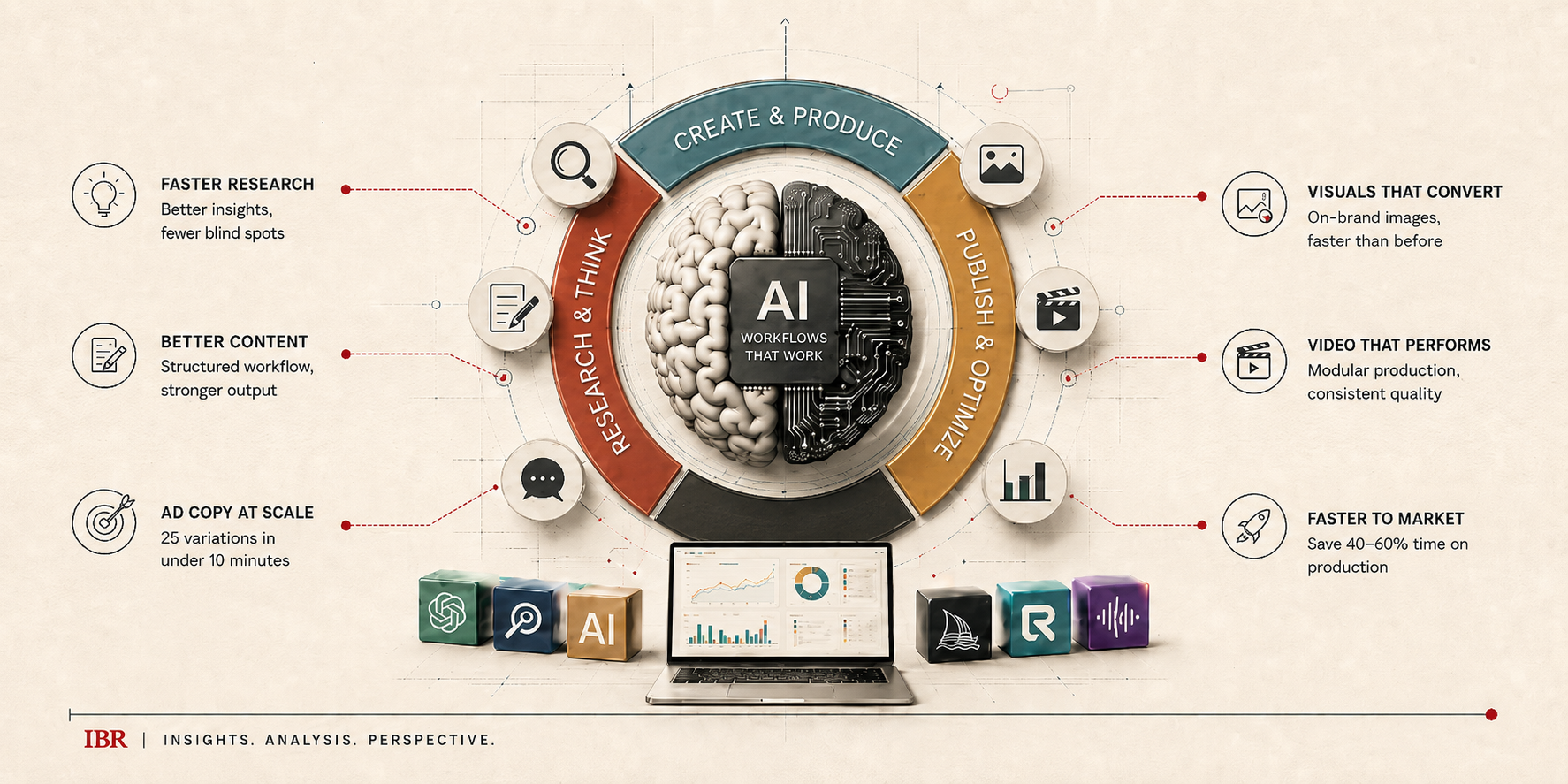
AI is shaking things up in marketing, making things faster, sometimes even smarter and way more personalized.
From automating those boring, repetitive tasks to diving deep into data and predicting what customers want before they even know it, AI is changing the game.
Let’s break it down with some real-world examples of the areas where AI is already transforming marketing:
1. Marketing Automation
Think about all those time-consuming marketing tasks that a business has to invariably do—analyzing data, segmenting customers, creating content.
AI handles them like a pro.
Take Cosabella, a retail apparel brand, for example. They brought in an AI assistant called Albert to manage their digital marketing.
The result?
A 50% boost in return on ad spend and a 12% cut in ad costs. That’s what we call a win-win. This illustrates how with AI taking care of the grind, marketers get to focus on the big picture.
2. Data-Driven Decision Making
Forget gut feelings; AI digs into the numbers for you. Advanced AI algorithms analyze vast datasets to uncover insights about consumer behavior, preferences, and trends.
Volkswagen tapped into AI for its ad-buying strategy, using predictive analysis to make smarter moves. Instead of relying on agency guesses, they cut hidden costs and ramped up dealership sales by 20%.
This proves that letting data guide the way is the secret to staying ahead.
3. Next-Level Personalization
AI knows how to make things personal—like, really personal.
AI-driven tools can tailor marketing messages to individual consumers based on their browsing history, purchase patterns, and social media interactions.
Just look at Sephora, which is using an AI chatbot as a digital beauty guru. It helps customers pick products they’ll love and even book in-store appointments.
The result?
An 11% higher conversion rate compared to other channels. That’s how you turn casual shoppers into loyal fans. Such personalization fosters deeper customer engagement and loyalty.
4. Predictive Analytics
AI doesn’t just react; it predicts.
Amazon uses AI-powered predictive analytics to fine-tune its recommendation engine. By analyzing what you’ve bought or browsed, it knows what you’re likely to grab next. This keeps customers coming back for more and makes shopping feel almost magical.
So, whether it’s freeing up time, sharpening strategies, or delivering personalized experiences, AI is making marketing not just smarter but also way more exciting.
Ready to jump on board?
Disruption and Challenges of AI at the Marketing Workplace
While AI offers numerous advantages, it also poses challenges that could undermine traditional marketing practices. Here are a few spaces where I feel the debate around AI is interesting and worth a note:
1. Creativity vs. Automation
One of the most significant concerns is the potential loss of creativity in marketing. As AI tools become more capable of generating content—ranging from social media posts to entire ad campaigns—there is a fear that human creativity will take a backseat.
Many marketers worry that reliance on AI-generated content could result in generic messaging that lacks emotional resonance with consumers.
For example, JPMorgan Chase reported a staggering 450% increase in click-through rates after utilizing generative AI for ad copy creation. While this indicates effectiveness, it raises questions about the role of human creativity in crafting compelling narratives.
In my view, while the efficiency gains from AI-generated content are undeniable, I believe that creativity should never be sacrificed at the altar of automation. The best campaigns often stem from unique human insights and emotions that machines simply cannot replicate (at least at the moment ;)).
2. Data Privacy Concerns
AI’s reliance on vast amounts of consumer data raises serious privacy issues. With regulations like GDPR in place, marketers must navigate complex legal landscapes while ensuring they respect consumer privacy.
Failure to do so could lead to significant repercussions for brands that misuse data or fail to secure it adequately.
A survey by McKinsey found that 87% of consumers are concerned about how companies use their personal information. This growing awareness necessitates a careful approach to data handling.
Personally, I find it troubling how easily consumer data can be mishandled or exploited. Trust is paramount in building lasting customer relationships; brands must prioritize ethical data practices or risk losing consumer confidence.
3. High Implementation Costs
Implementing AI technologies can be expensive, particularly for small and medium-sized enterprises (SMEs).
The costs associated with purchasing software, maintaining systems, and hiring skilled personnel can deter businesses from adopting these technologies.
According to a report by Deloitte, only 22% of companies have fully integrated AI into their operations due to high implementation costs.
This financial barrier may widen the gap between larger corporations that can afford cutting-edge tools and smaller companies struggling to keep up.
From my perspective, this disparity is concerning because it could stifle innovation among smaller players who often provide fresh ideas and perspectives in the market. There should be more accessible solutions for SMEs looking to leverage AI without breaking the bank.
4. Lack of Understanding and Trust
Despite its potential benefits, many marketers are still skeptical about AI due to a lack of understanding.
Misconceptions about job displacement and fears regarding the loss of human touch in customer interactions contribute to resistance against adopting AI tools.
A study by PwC revealed that 58% of executives believe that AI will create more jobs than it will eliminate. Educating teams about the capabilities and advantages of AI is crucial for overcoming these barriers.
I believe education is key here; many people fear what they do not understand. By fostering a culture of learning around AI within organizations, we can alleviate fears and empower teams to embrace new technologies confidently.
The Future Landscape: Opportunities for Businesses
As we look toward the future, businesses must adapt their strategies to harness the power of AI effectively.
Here are several key areas where companies can focus their efforts:
1. Embrace Hybrid Approaches
Rather than viewing AI as a replacement for human creativity, businesses should adopt a hybrid approach that combines human intuition with machine efficiency. By leveraging AI for data analysis and automation while retaining human oversight for creative processes, companies can achieve optimal results.
I strongly advocate for this hybrid model; it allows us to benefit from the strengths of both humans and machines without losing sight of what makes marketing truly impactful—human connection.
2. Invest in Training and Education
To maximize the benefits of AI technologies, organizations must invest in training their teams on how to use these tools effectively. Providing education on data analytics, machine learning algorithms, and ethical considerations surrounding data usage will empower marketers to make informed decisions that align with business goals.
In my experience, continuous learning is vital in today’s fast-paced environment. Companies that prioritize training will not only enhance employee skills but also foster innovation within their teams.
3. Focus on Customer Experience
AI’s ability to personalize customer interactions presents a significant opportunity for brands looking to enhance customer experience. Companies like Starbucks have integrated voice-activated ordering systems through Amazon’s Alexa, allowing customers to place orders seamlessly. By utilizing predictive analytics and recommendation engines, businesses can create tailored experiences that resonate with individual consumers.
I see immense potential here; personalizing experiences can transform casual customers into loyal advocates for brands—something every marketer should strive for.
4. Stay Compliant with Data Regulations
As data privacy concerns continue to grow, businesses must prioritize compliance with regulations like GDPR. Ensuring transparency around data collection practices will build trust with consumers and mitigate risks associated with data breaches.
For me, compliance is not just about avoiding penalties; it’s about cultivating trust with customers who are increasingly aware of their rights regarding personal information.
Conclusion
The question of whether AI will kill marketing is complex; while it poses challenges to traditional practices, it also offers unprecedented opportunities for innovation and growth.
By embracing the transformative power of AI while remaining vigilant about its limitations and ethical implications, businesses can position themselves for success in an increasingly digital landscape.
In this rapidly evolving environment, businesses that proactively embrace change will not only survive but thrive as they navigate the complexities of modern marketing powered by artificial intelligence.