SocialPeta App Review: Powerful Ad Intelligence Tool for Marketers and Agencies
SocialPeta is built to solve that frustration. It collects a massive amount of advertising data from many global platforms and presents it in a clean interface that helps marketers understand what works. If you run an agency, an app business, a growing startup, or an e-commerce store, SocialPeta gives you the insight you need before launching ads.
Many founders and marketing teams struggle to find inspiration for creatives. There are days when you simply do not know what type of ad will perform. SocialPeta simplifies that process by showing real ads used by real brands across many regions. This helps teams reduce guesswork and create more confident campaigns.
Think of a normal workday where you are juggling meetings, product work, content approval, and ads. Instead of spending extra hours scrolling through hundreds of Facebook pages or TikTok accounts, you can use SocialPeta to research what other brands are doing. The platform saves time, improves decision-making, and supports better creative strategy for both small teams and bigger businesses.

What Is SocialPeta and why does it matter
SocialPeta is an advertising intelligence platform that collects global ad creatives, app data, product data, and market insights. It is designed for teams that want clarity in their advertising decisions. The platform helps brands understand competitor strategies, top-performing creatives, and market trends. It is also helpful for app developers, e-commerce sellers, and agencies.
It matters because digital advertising has become competitive. Every brand is fighting for attention, and customer acquisition costs continue to rise. Using SocialPeta, a team can study the ads that are already successful before spending money on their own campaigns. This is important for anyone with a tight budget or limited resources.
Startups and small businesses often face a big challenge. They do not have dedicated research teams or large ad spend. SocialPeta helps them find proven ideas quickly so they can launch more confidently. The tool shows ads from more than seventy countries and covers many mainstream advertising channels according to the information provided on the platform.
App companies and mobile game studios find SocialPeta useful because it also includes app intelligence data. This includes app rankings, reviews, version insights, and social engagement signals. It becomes easier to track competitors and adjust strategy based on real market activity.
Core Functionality and Purpose
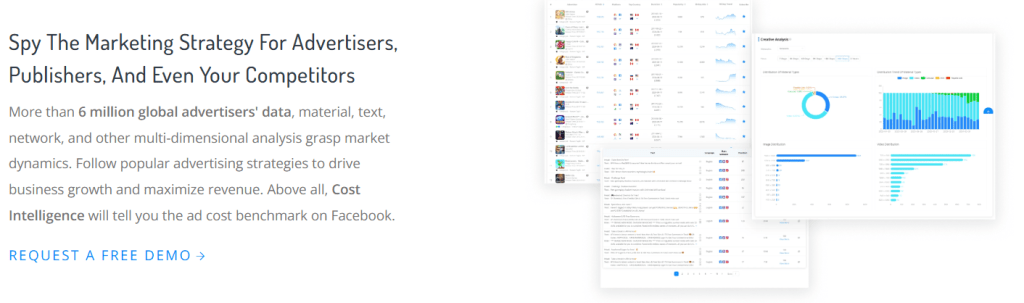
SocialPeta focuses on providing complete advertising intelligence. The platform brings together ad creatives, app data, and product information in one dashboard. This helps marketers understand what type of content is performing across multiple markets. The platform highlights ad creatives from channels such as Facebook, TikTok, YouTube, Twitter, and several others shown on their website. This makes SocialPeta useful for cross-channel research.
The platform also provides cost intelligence. Marketers can see estimated cost trends such as CPC and CPM based on market insights available on the website. This helps you plan budget and predict how expensive it will be to launch ads in a specific region. If you are a new business, this saves unnecessary spending.
Another major purpose of SocialPeta is to help ecommerce sellers study product performance. The website shows that it tracks a wide range of products across major ecommerce platforms. This is helpful for sellers who want to identify trending products or understand buying behavior. When combined with ad creative research, it gives a complete view of both product demand and advertising strategy.
App intelligence is also a core function. SocialPeta tracks millions of apps and shows insights such as app rankings, social activity, and basic engagement signals. This is helpful for app developers or mobile gaming companies who need to monitor their competitors. It creates a complete research environment for understanding both advertising and product level performance.
Quick App Snapshot
| App Name | Best For | Platforms | Top Feature |
| SocialPeta | Marketers, founders, agencies, app developers, ecommerce sellers | Web | Global ad intelligence and multi channel creative search |
SocialPeta is suitable for teams that rely on paid advertising. If you run performance ads on Facebook, TikTok, or YouTube, this platform will help you save time by showing what creatives are trending in your industry. It is useful for small marketing teams and freelancers who manage ads for clients. The platform gives them inspiration faster which improves the quality of work.
It is also relevant for app developers and gaming studios. They can track the ads other apps are using and understand user engagement. This helps them position their product more effectively. SocialPeta becomes a reliable research tool for teams that are trying to stay competitive in the app market.
For ecommerce sellers, the product data insights provide a clear understanding of which items are trending. If you run a Shopify or Amazon store, SocialPeta helps you identify product opportunities and monitor advertising patterns in your niche.
The only group that may not find SocialPeta ideal is those who do not plan to run ads regularly. The platform shines when used for continuous marketing research. If a business relies only on organic reach, SocialPeta may feel unnecessary.
Our Hands-On Experience
During testing, the dashboard felt easy to navigate. It took only a few minutes to filter ads by industry, geography, and platform. The search results loaded quickly and showed a large variety of creatives. Each creative included basic details such as type, duration, and platform information. This helped in understanding which format works for which kind of audience.
We also checked ad trends for a few categories like beauty and fitness. The results were clear and easy to study. We could see the shift in creative style based on recent activity. This is important for marketers who want to follow trends and stay updated.
A surprising observation was the variation in data volume for very small niche markets. In some narrow categories, the number of creatives available was lower compared to popular industries. This is normal because the platform depends on industry activity.
The ecommerce product data section was helpful, but it felt more relevant for large scale sellers. Smaller ecommerce stores may need more time to understand the product insights. Overall, the experience felt powerful for research-heavy teams.
Features of SocialPeta
1. Ad Creative Search
SocialPeta offers a large library of global ad creatives. You can filter by platform, country, industry, and format. This helps marketers find ideas quickly.
Why it matters: Creative inspiration becomes faster, which reduces campaign setup time.
2. Cost Intelligence
The platform provides estimated advertising cost trends such as CPC and CPM based on available market insights.
Why it matters: Budget planning becomes more accurate for new and existing campaigns.
3. E-commerce Product Analysis
SocialPeta includes data for millions of products across major e-commerce platforms based on information provided on the website.
Why it matters: Sellers can study demand and understand what types of items customers are buying.
4. App Intelligence
The tool shows app-level insights such as rankings, reviews, and engagement signals.
Why it matters: App developers can track competitors and refine their strategy.
5. Trending Insights
The platform updates creative and product trends frequently.
Why it matters: Marketing teams can react quickly to shifting market patterns.

Pricing of SocialPeta
SocialPeta provides a free trial that lasts for three days. The full pricing is not listed publicly on the website. You need to contact the team to get the exact plan details. This usually indicates that SocialPeta offers custom pricing for businesses depending on the use case or data volume required.
Since the pricing is not open, early stage startups may need to evaluate whether the cost fits their budget. Larger agencies and established teams often prefer custom pricing because it gives them scalable access.
Pros and Cons of SocialPeta
Pros:
The platform offers a very large collection of ad creatives from global markets. It supports multiple advertising channels and provides strong filtering options. The combination of ads, app intelligence, and product data makes it a complete research tool. It helps marketers reduce decision making time and improves creative strategy.
Cons:
Pricing is not publicly available and may be on the higher side for small businesses. Some niche industries may have lower data availability. The ecommerce product insights can feel complex for beginners.
Alternatives to SocialPeta
1. AdSpy:
It is one of the closest alternatives. It focuses strongly on Facebook and Instagram ads and offers a clean search experience. It is easier to start with, although it does not provide the wide global coverage that SocialPeta offers. It is more suitable for users who only want social platform research.
2. WhatRunsWhere:
It is another option. It helps teams study advertising patterns across major ad networks and provides clear data for marketers. It is simpler in structure but does not offer the depth of app or product intelligence that SocialPeta provides. It works well for teams that want straightforward ad tracking.
3. PowerAdSpy:
It is also used by many e-commerce marketers. It provides creative inspiration and supports multiple ad networks. Compared to SocialPeta, it has fewer advanced intelligence features but is often easier for beginners.
IBR Verdict: Should You Use It or Skip It
Our Rating: 4.2 out of 5
SocialPeta is a strong tool for anyone who relies on paid marketing. If you run an agency, a startup, or an e-commerce business, and you want to reduce guesswork, this platform gives you powerful advertising insights. It helps you design ads that match market trends and speeds up your creative process.
If you are at a very early stage with a limited budget, the pricing structure may feel challenging. In that case, consider starting with a lighter alternative. For serious marketing teams, SocialPeta provides significant value.
You can explore similar app reviews on ikanabusinessreview.com to compare different marketing tools.
If you want to build a website or an app that supports your business vision, reach out to us at ikana.io. Our team can help you design products that support your growth.
Is Amazon Becoming an Ad Platform? The Rise of Retail Media
Introduction
E-commerce was once about one thing: selling goods online.
But in the past few years, giants like Amazon, Walmart, and others have quietly transformed into powerful advertising platforms.
Is this shift inevitable, or is it just a side effect of the booming digital age?
As someone who’s spent time diving into the trends behind e-commerce and digital advertising, I can tell you that it’s more than just a trend—these platforms are reinventing themselves into something more complex and profitable, and that’s not necessarily a good thing for everyone.
The Rise of “Retail Media” on E-commerce Platforms
The term “retail media” has gained popularity as e-commerce companies increasingly rely on advertising as a core revenue stream.
For companies like Amazon, Walmart, Target, and Alibaba, ads aren’t just a minor part of the business anymore; they’re strategic, high-margin revenue streams.
Amazon, for instance, generated an astonishing $31 billion in ad revenue in 2022, putting it on par with tech giants like Google and Facebook.
So why are these platforms pivoting into advertising? A few reasons stand out:
- High-Profit Margins: Selling ads is far more profitable than moving physical products. There are no logistics, shipping costs, or storage issues; it’s purely digital.
- Control Over Visibility: As e-commerce platforms grow, competition among sellers increases. By charging for visibility, platforms can capitalize on the desire of sellers to outshine their competitors.
- Data Goldmine: E-commerce platforms have access to purchase data, browsing history, and customer preferences, giving them a treasure trove of information for targeted ads.
But does this shift toward ads mean e-commerce platforms are losing sight of their roots?
Let’s dig into some specific examples to see how this plays out in real life.
Journey from Marketplace to Marketing Hub
When Amazon started back in 1994, it was an online bookstore. Fast forward to today, and it’s become an e-commerce titan where you can buy practically anything.
However, if you look closely, Amazon’s website feels increasingly like a search engine or social media site, cluttered with ads, “sponsored” products, and promoted recommendations.
In fact, Amazon’s ad slots have become prime real estate for sellers looking to stand out. Amazon’s advertising push works because of its massive customer base and shopping intent.
Unlike social media platforms where ads can sometimes feel intrusive, Amazon users are already on the site to shop. So, when they see ads for products they might like, it aligns well with the platform’s purpose, and people don’t mind it as much.
But this also means small businesses are competing not just with other sellers but with Amazon’s own private-label products, which Amazon conveniently promotes through its ad placements.
Amazon’s “Sponsored” Product Dilemma
If you search for a simple item, like “water bottle” on Amazon, you’ll likely be met with dozens of “sponsored” results before you get to organic listings.
This approach helps Amazon rake in ad dollars, but it also creates a frustrating experience for users who might struggle to find authentic, non-sponsored items in their search results.
For sellers, the need to pay for top spots is now almost mandatory, turning what was once a democratized platform into a “pay-to-play” market.
Walmart and Target: Entering the Ad Arena
Walmart and Target aren’t about to let Amazon monopolize the retail media space.
Both companies have rolled out their own advertising platforms: Walmart Connect and Roundel by Target.
Like Amazon, these platforms leverage the extensive customer data they collect to deliver highly targeted ads. Walmart, for instance, partners with brands to provide on-site ad placements and off-site ads that reach consumers across the web, driven by Walmart’s own data.
Target’s Digital Advertising Revenue Boom
In recent years, Target’s Roundel advertising division has grown by double digits. A customer looking for organic skincare products might see a Roundel-sponsored ad on social media or even on other websites, steering them toward a Target listing.
It’s clear that these retailers are trying to compete with Amazon not just in e-commerce but in advertising power.
The Cost to Brands and Sellers: Paying to Stay Visible
While e-commerce ads make money for platforms, they come at a cost to brands and sellers.
On Amazon, for example, the cost-per-click (CPC) of ads is rising rapidly as competition grows. Small and medium-sized businesses, in particular, often find themselves squeezed by the need to allocate a larger portion of their budget just to maintain visibility.
Think about it: a startup selling eco-friendly coffee cups on Amazon now has to compete with major brands, private labels, and even Amazon’s own products for visibility.
It’s no longer enough to have a good product or even great reviews—if a brand isn’t putting money into ads, it risks getting buried in a sea of sponsored products.
The “Ad Tax” on Small Businesses
Many small businesses refer to this phenomenon as the “ad tax.”
Without shelling out for ads, sellers often struggle to reach the top of search results, which can heavily impact sales. For brands already operating on slim margins, the need to buy ads just to stay competitive can be financially draining, if not outright unsustainable.
Are E-Commerce Sites Really Becoming Ad Platforms?
It’s a fair question, and the answer seems to be yes.
And they are turning out to be better ad platforms than actual ad platforms.
Amazon, Walmart, and even platforms like Etsy are embracing advertising in a way that blurs the line between shopping and searching. With so much focus on ads, these platforms are becoming part marketplace, part marketing engine.
The shift has significant implications for how customers find products, how brands compete, and how much consumers ultimately pay.
Here’s my take: while advertising is a natural progression for these platforms, there’s a point where it could begin to erode the core user experience.
Shopping should feel organic, and users should feel they’re seeing the best products—not just the ones with the biggest ad budget.
Is This Shift Sustainable? The Potential for Backlash
As platforms continue to increase ad slots and sponsored content, they run the risk of alienating consumers. Amazon already faces complaints from shoppers who feel the platform is “too commercial,” and similar criticisms are starting to appear with Walmart and others.
If these companies aren’t careful, they may drive away the very customers they rely on by overwhelming them with too much paid content.
Another consideration is consumer trust. People expect transparency from online retailers, and when ads aren’t clearly labeled or disrupt the shopping experience, it could damage the brand’s reputation.
We’ve already seen this in the realm of social media, where overly intrusive ads have led to widespread “ad fatigue.”
If e-commerce follows the same path, it could face similar pushback.
Final Thoughts: What’s Next for E-commerce Advertising?
So, are e-commerce platforms becoming ad platforms?
In my view, absolutely. And while this shift has its advantages—more revenue for the platforms, better targeting for brands, and arguably more relevant suggestions for consumers—it also poses risks.
There’s a delicate balance between maximizing ad revenue and maintaining a quality shopping experience, and platforms are still trying to figure out where that balance lies.
As we look to the future, it’ll be fascinating to see how e-commerce platforms adapt to consumer feedback, how ad prices fluctuate with competition, and whether the smaller sellers can find ways to compete.
For now, advertising on e-commerce platforms is here to stay, but it will take careful management to ensure it benefits both the platforms and their users in the long term.
This shift in e-commerce is one to watch closely. It’s reshaping the marketplace in real time, making it an exciting (and sometimes frustrating) time to be a consumer or a seller online