SproutGigs App Review: Is It Worth Your Time?
The SproutGigs app is a platform where users can complete small tasks for payment. As it gains popularity, it’s essential to explore its features, pricing, and user experiences. For more such insights, check out our other App Reviews.
Overview of SproutGigs
SproutGigs is a micro jobs platform where employers post small jobs like data entry, content writing, website testing, and social media engagement.
The platform has shown significant growth since its rebranding from MicroWorkers in 2022, with over 1.2 million registered users worldwide as of 2024. According to their website, they’ve facilitated over $50 million in payments to freelancers.
The SproutGigs micro jobs platform primarily targets small businesses and startups looking to outsource repetitive tasks at competitive rates. As stated by SproutGigs CEO Mark Spencer, “Our goal is to democratize access to online work opportunities while providing businesses with cost-effective solutions for their micro-task needs.”
Features of SproutGigs App
For Workers
The SproutGigs mobile app offers several features for workers:
- Task Categorization: Tasks are organized by type, difficulty, and payment.
- Progress Tracking: The dashboard shows earnings, completed tasks, and success rate.
- Payment Protection: Funds are held in escrow until task completion.
- Skills Assessment: Workers can take tests to qualify for higher-paying tasks.
- Mobile Access: Available for both iOS and Android devices via the SproutGigs mobile app.
For Employers
Features for employers using the SproutGigs app include:
- Task Template System: Easy creation of recurring tasks.
- Worker Rating System: Access to worker performance metrics.
- Budget Control: Set fixed prices for tasks.
- Bulk Task Creation: Upload multiple tasks simultaneously.
- Quality Control: Built-in verification system for completed work.
Security Features
- Two-factor authentication
- Secure payment processing
- Identity verification system
- Dispute resolution system
- Privacy Policy
- Terms of Service
Pricing Model of SproutGigs App
The SproutGigs app operates on a straightforward pricing structure for its gigs, with no free options available.
- Cheapest Gigs: $3
- Highest-Priced Gigs: $150
This pricing model allows users to select tasks based on their budget, emphasizing the platform’s focus on paid opportunities for freelancers and clients alike. When exploring sproutgigs how it works, it’s important to factor in these costs to maximize your earning potential.
How SproutGigs Works
Understanding sproutgigs how it works is key to making the most of the platform:
1. SproutGigs Sign Up Process
The SproutGigs sign up process is simple:
- Create a free account on the SproutGigs website.
- Provide necessary details like name, email address, and country.
- Select the “I’m a worker” option.
2. Find Jobs
- Log in to the member dashboard.
- Browse through available micro-jobs on the SproutGigs micro jobs platform.
3. Complete Tasks
- Submit proof of completion for each job to get paid.
- Read job descriptions carefully to understand the required proof.
4. Get Paid
- SproutGigs charges a processing fee on earnings, up to 10%.
- Tasks typically pay small amounts, typical of micro-task platforms.
5. Earnings
- Workers can learn sproutgigs how to earn money through small, consistent task completions.
- Payment methods include PayPal, Bitcoin, and other cryptocurrencies.
6. Network and Build Relationships
- Engage with the SproutGigs community.
- Participate in discussions and connect with fellow freelancers for collaborations.
Pros and Cons of SproutGigs
Like any platform, SproutGigs has its strengths and weaknesses:
Pros:
- Wide variety of tasks.
- Global accessibility.
- Easy-to-use mobile interface.
Cons:
- Low pay rates.
- High competition for tasks.
- 10% processing fee on payouts.
Alternatives to SproutGigs
If you are exploring beyond the SproutGigs mobile app, you might consider these alternatives:
1. Fiverr
Fiverr is known for its lower earnings potential initially but is easier for beginners. However, users often encounter more repetitive tasks, limiting growth.
2. Amazon MTurk
Amazon MTurk offers broader accessibility and similar pay rates, though with slightly fewer tasks available.
IBR’s Review and Ratings
Overall Review of SproutGigs
Our SproutGigs review finds that it delivers satisfactory performance, especially for users in developing countries or those seeking supplemental income.
Overall Score: 6.8/10
- User Interface: 8/10
- Task Availability: 7/10
- Payment Reliability: 7.5/10
- Earning Potential: 5/10
- Feature Set: 7/10
- Customer Support: 6/10
Conclusion: Is SproutGigs Legit?
So, is SproutGigs legit?
Yes, the platform offers a legitimate way to earn small amounts of money online. While it won’t replace a full-time income in developed countries, it is a viable option for supplemental earnings, especially for beginners or those in regions with a lower cost of living.
The SproutGigs app offers opportunities to build skills, network, and earn from flexible tasks. However, for those aiming for higher-paying freelance gigs, platforms like Upwork and Freelancer.com may offer better prospects.
Explore more ways to grow your business effectively—and always ensure you understand sproutgigs how to earn money and maximize your efforts when you choose a micro jobs platform.
Read Also
Is SproutGigs App Legit or a Scam?
Yes, SproutGigs is a legit platform where users can earn money by completing small online tasks like data entry, testing, and surveys. However, the earnings are usually small, so it’s better as a side income source rather than a full-time job.
How Much Can You Earn on SproutGigs App?
The earning potential on SproutGigs depends on the number of tasks you complete. Most tasks pay between a few cents to a few dollars. While it won’t replace a salary, it can be a good way to make extra money in your free time.
Is SproutGigs Safe to Use for Freelancers?
SproutGigs is safe to use as it connects freelancers with task providers. Payments are processed through secure methods, but like any gig platform, users should carefully choose tasks and avoid offers that look suspicious.
Rethinking Subscriptions in 2025
Subscription Model: A History
The earliest form of the subscription model business originated in the 1600s when newspaper and book publishers began offering subscriptions to their readers. The rise of digital content and software saw the subscription business model gain traction at the turn of the 20th century, with companies like Netflix introducing the digital content subscription models in the 2000s.
The subscription model had become the reigning champion of predictable revenue and customer loyalty by the mid-2010s, with companies clamouring to adopt the monthly subscription model to ensure a steady income source.
Fast forward to 2025, the landscape has changed dramatically, and the once profitable and consistent monthly subscription system is no longer the poster child of pricing models.
The Saturation Point
Monthly subscription plans have hit their saturation point with customers drowning under the sheer volume of monthly bills. Every aspect of a customer’s life, from grocery delivery to fitness apps and streaming services, is run through subscription services. The overwhelming number of subscriptions has compelled customers to push back.
According to a recent survey by Gartner, 62% of consumers said they had canceled at least one subscription in the past year. This trend has led brands to rethink their pricing strategies, exploring new models that better align with evolving customer preferences.
Why Monthly Models are Losing Their Appeal
The monthly subscription model is slowly losing its charm, and here is why:
1.Rising Churn Rates:
The rising number of platforms offering competitive pricing has made it hard for businesses to retain users. The customer-friendly cancellation options are no help either. Even major SaaS platforms like Netflix, which experienced an increase in subscription cancellations due to price hikes, are not immune to the increasing churn rates.
2.Consumer Fatigue:
Most SaaS platforms today are working on the monthly subscription pricing model, making it difficult for users to stay on top of all the payment schedules. Managing multiple subscriptions has become overwhelming, forcing many users to unsubscribe from non-essential services to help better manage their finances and free themselves from the hassle of remembering to pay subscription prices for multiple services.
3.Bundling Backlash:
When first introduced, bundling of services seemed like a great way to reduce the number of subscriptions while providing multiple services, effectively a win-win situation for both the seller and the user. However, with time, the bundling strategy has proven to be ineffective as the bundling offered by sellers does not align with the needs of the user. For instance, Disney+’s decision to bundle Hulu and ESPN backfired as multiple users wanted access only to specific content and not the entire bundle.
New Pricing Strategies Emerging in 2025
With customers turning their backs on monthly subscription models, other pricing strategies have come to the forefront. Some of the new pricing strategies emerging in 2025 are:
1.Pay-Per-Use Models:
Following the backlash surrounding the monthly subscription model, many businesses have switched pricing techniques to suit the users’ needs. To retain users, SaaS platforms are providing users the option to pay for the services based on their usage rather than paying for all the services. Canva and Adobe are two such platforms offering a pay-per-use pricing model.
2.Annual Plans with Discounts:
Another way that SaaS platforms are reducing their churn rates is by introducing annual payment plans. Businesses are offering users a chance to avoid monthly payments by offering annual payment plans at substantial discounts. A win-win for both parties, as the user receives discounted services without worrying about monthly payments, and the business can secure long-term customers with a stable cash flow.
3.Flexible Memberships:
Flexible memberships are gaining traction across various industries, offering users the option to pause and resume services based on their needs without incurring cancellation fees. This model, now widely adopted by gyms and fitness apps, empowers customers to take breaks without losing their membership benefits, making it beneficial for both businesses and users.
Future of Subscription Pricing
2025 has seen subscription models evolve from the one-size-fits-all monthly subscription models to more customized ones based on the customers’ needs. As the subscription landscape evolves, brands that truly succeed will be those that master the delicate balance between steady, predictable revenue and customer-centric flexibility. In 2025, consumers are more discerning, seeking value and control over how they spend their money, while businesses are rethinking how to keep them engaged without compromising profitability. Those that can innovate by offering flexible memberships, pay-as-you-go plans, or curated bundles will be the ones that not only survive but thrive in this new era of subscription.
Breaking the Silicon Valley Spell: Building Products for Real People
The most dangerous myth in tech is that if you build something Silicon Valley loves, the world will follow.
The truth? Your market isn’t there. It probably never was.
Yet tech product strategies—especially for startups—are still heavily biased toward a narrow archetype: urban, tech-savvy, high-income early adopters. This tunnel vision might win you applause from other founders, investors, or Product Hunt — but it kills your real growth potential before you even start.
Let’s talk about why this bias persists, why it’s dangerous, and how to break free.
The Silicon Valley Bubble Isn’t the World
Startups often inherit product assumptions from the “Valley playbook” without questioning if they fit:
- Users are early adopters who want to try new tech
- They have the latest phones, fast internet, disposable income
- They are comfortable with self-service apps, minimal support, and constant feature updates
- They value disruption, innovation, and personal optimization
Sounds familiar, right? It’s the world many startup founders live in, especially those who’ve been through accelerators, tech hubs, or top venture networks.
But here’s the reality:
- Most global users don’t live in San Francisco, New York, or London.
- Most users don’t upgrade phones yearly.
- Most people aren’t hungry for the “next big thing”—they want reliability, ease, and value.
- Many emerging markets are mobile-first, not desktop-native.
- Incomes, tech comfort, cultural expectations, and infrastructure vary massively.
If you build only for the first group, you risk alienating everyone else — especially the massive markets that actually fuel scale.
How Tunnel Vision Kills Growth
Limiting your product market to the Silicon Valley can be detrimental to your business, here is how:
- You Overbuild Complexity
- Features optimized for power users overwhelm average customers.
- Early adopters love options. Mainstream users want simplicity.
- You Underestimate Onboarding Friction
- In places where tech literacy isn’t universal, complicated signups, confusing UX, or a “figure it out yourself” attitude costs you 90% of your market before the first click.
- You Set the Wrong Price Points
- Pricing models based on wealthy urban users ignore the economic realities of broader (and often global) audiences. A $20/month SaaS might sound trivial in Silicon Valley — but it’s a luxury elsewhere.
- You Miss Critical Local Needs
- Infrastructure gaps, cultural expectations, payment systems, language barriers — these aren’t nice-to-solve problems; they’re gateways to scale.
- Example: In many countries, cash-on-delivery and WhatsApp support are table stakes, not extras.
- You Burn Out Before Hitting Product-Market Fit
- Building for too small or saturated a niche leads to stalled adoption, “meh” metrics, and costly pivots that could have been avoided by starting broader.
How to Break Out of the Silicon Valley Mindset
Here is how businesses can break out of the Silicon Valley mindset:
1. Know Who Your Real Market Is
Map your total addressable market (TAM) realistically.
Are you selling to 10,000 power users — or 10 million mainstream consumers who care less about innovation and more about daily utility?
2. Study the Global Majority, Not Just the Elite
Spend time understanding users in tier-2 cities, rural markets, or underserved demographics.
Look at what’s winning in places like Southeast Asia, Africa, Latin America—not just the Bay Area.
3. Prioritize Access Over Hype
Optimize for speed, simplicity, offline support, and affordability.
Remember: The best product isn’t the one with the most features — it’s the one people can actually use and benefit from.
4. Build for Trust, Not Just Novelty
In many markets, trust and reliability beat being “new” or “cool.”
Ensure strong support, clear promises, transparent pricing, and consistent experience.
5. Test Outside Your Echo Chamber
Get feedback early from users who aren’t on Twitter, who don’t know what YC is, and who won’t give you points just for building a cool AI tool.
Conclusion
Silicon Valley isn’t your customer- The world is.
The companies that win the next decade aren’t the ones that build clever tools for other startups — they’re the ones who understand the needs of everyone else.
If you want real scale, sustainable growth, and lasting impact, stop building for the people who already have 50 apps.
Start building for the people who just want one app that works.
Coachella: Where FOMO Pays
Each spring, in the California desert, something extraordinary happens. Celebrities, influencers, music lovers, and trendsetters gather for an event that has become more than just a music festival—Coachella is a cultural phenomenon, a lifestyle brand, and a masterclass in leveraging FOMO (Fear of Missing Out) to sell not just tickets, but status.
Welcome to the FOMO Economy, where social buzz, exclusivity, and strategic scarcity drive demand—and Coachella is one of its finest examples.
The Psychology of FOMO
At its core, FOMO is an emotional response to the perception that others are having more fun, living better lives, or experiencing something we’re not part of. Social media amplifies this tenfold, especially when your feed is flooded with desert sunsets, iconic outfits, and behind-the-scenes parties with A-list guests.
Coachella has built its empire by selling more than a concert—it sells the experience of being where the action is. Being at Coachella says, “I’m in.”
Psychologically, this taps into:
- Social proof: Seeing others attend makes us want to attend.
- Status signaling: Attending shows you have the money, access, and cultural awareness to be there.
- Loss aversion: People hate missing out more than they enjoy gaining something of equal value.
The Illusion of Access
Coachella doesn’t just sell tickets. It sells belonging. General Admission is just the beginning.
- VIP tickets grant access to lounges, better views, exclusive food vendors, and shaded areas—creating a clear social distinction.
- Artist passes, backstage wristbands, and exclusive party invites are nearly mythical in status. They’re not available for sale—they’re earned or gifted, heightening their allure.
This multi-layered access system mirrors luxury branding: make the premium tiers elusive and aspirational. Even within the festival, there’s a hierarchy—and everyone wants to move up.
Influencers
Influencers play a pivotal role in Coachella’s FOMO-driven machine. Weeks before the festival, fashion brands start teasing “Coachella fits.” The influencers arrive early, often flown in by sponsors, showcasing desert glam shots, branded activations, and secret parties that most fans will never touch.
And yet, these glimpses are precisely what fuels ticket sales. They create social validation loops—“If she’s there, I need to be there too.” Influencers aren’t just attending; they’re selling a dream.
Scarcity
Nothing drives urgency like scarcity. Coachella sells out nearly every year—sometimes within hours—not because of necessity, but by design.
- Pre-sale codes and waitlists add exclusivity.
- Limited on-sale windows create panic-buying.
- The tiered pricing model (“Buy now before prices go up!”) feeds a scarcity mindset.
Even after sellouts, resale platforms stir the pot further, with ticket prices doubling or tripling, reinforcing the idea that if you don’t buy now, you’ll miss out forever.
Monetizing Hype and Social Validation
Coachella has turned social buzz into a full-blown economy. Brands pay millions to activate onsite experiences, and attendees become unpaid brand ambassadors. Whether it’s posing in front of the iconic Ferris wheel or tagging a brand-sponsored lounge, every post is a micro-ad.
Even beyond the gates, Coachella monetizes hype through:
- Livestreams for remote audiences—so no one completely misses out.
- Merch drops that sell out in hours.
- Post-festival photo dumps, keeping the event alive long after the music stops.
Final Thoughts
Coachella reflects the way we consume status today. In the FOMO Economy, experiences are currency, and the more exclusive they seem, the more we crave them. Coachella doesn’t just sell music—it sells belonging, aspiration, and identity.
So next time you see someone post a flower crown selfie in Indio, ask yourself: is it really about the music—or is it about the moment?
And maybe that’s the real genius behind Coachella’s strategy.
Want Loyal Customers? Value What You Sell!
In the world of business, success is often linked to how much value a company places on its products, services, and mission. Valuing what you do and sell is not just about setting a price tag—it’s about believing in the worth of your offering, communicating it effectively, and ensuring that customers recognize and appreciate it. When a business values its own products or services, it sets the foundation for customer trust, brand loyalty, and long-term success.
Why Valuing Your Product or Service Matters
Valuing what your business offers in terms of goods and services is the recipe to success. Here is why valuing your products is essential:
1. Value Drives Demand
If a company doesn’t believe in the value of its product, why should customers? Businesses that recognize their worth and communicate it effectively can command higher prices and generate more demand. When you set a high standard for what you offer, customers perceive it as valuable and are willing to pay for it.
2. Customer Trust and Loyalty
Consumers are drawn to businesses that show confidence in their offerings. When a company demonstrates the benefits and uniqueness of its product, it reassures customers that they are making a worthwhile investment. This trust fosters loyalty and repeat business.
3. Attracting the Right Audience
A strong sense of value helps businesses target the right customers—those who genuinely appreciate and are willing to pay for quality. Companies that undervalue their products often attract bargain hunters who are less likely to stay loyal in the long run.
4. Encouraging Innovation and Growth
When businesses recognize the true worth of their offerings, they are more likely to invest in improving and innovating them. Valuing your work pushes a company to continuously refine its products and services, staying ahead in competitive markets.
Companies That Exemplify Value-Driven Success
Value begets value, it is therefore no surprise that market leaders are the epitome of value-based businesses. Here are some examples of companies that have decoded the significance of valuing their products:
1. Apple – Premium Pricing for Premium Quality
Apple has built an empire on the principle of valuing its products. From the iPhone to MacBooks, Apple commands a premium price because it believes in the quality, design, and user experience of its devices. Customers, in turn, perceive Apple’s products as valuable, leading to strong brand loyalty and massive sales.
2. Tesla – Revolutionizing the Auto Industry
Tesla has disrupted the automobile industry by emphasizing the value of sustainable, high-performance electric vehicles. By valuing innovation and cutting-edge technology, Tesla has created a brand that people trust and admire, leading to a strong demand for its vehicles, even with premium pricing.
3. Lululemon – Creating a Lifestyle, Not Just Apparel
Lululemon has built a cult-like following by positioning itself as a brand that values both its products and the lifestyle they promote. By emphasizing the quality and design of its athletic wear, Lululemon has been able to maintain high prices while attracting a dedicated customer base.
4. Nike – More Than Just Shoes
Nike doesn’t just sell footwear—it sells performance, empowerment, and innovation. By valuing the science behind athletic performance and positioning itself as a brand that enhances people’s abilities, Nike has been able to command strong brand loyalty worldwide.
How to Ensure You Value What You Sell
Having established the importance of valuing what you sell, let us now look at how you can create value for your brand:
1. Invest in Quality
Ensure that your product or service delivers real value to customers. The better the quality, the more confident you’ll be in pricing and promoting it.
2. Communicate Your Value Proposition
Clearly articulate why your product is valuable. Whether through marketing, customer service, or branding, make sure customers understand what sets you apart.
“Define what your brand stands for its core values and tone of voice, and then communicate consistently in those terms.”
— Simon Mainwaring
3. Avoid Undervaluing Your Brand
Customers tend to judge the quality of products based on their market price; thus, setting the prices too low can signal low quality. If you believe your product has the potential to satisfy the needs of the consumer, do not hesitate to price it accordingly. Only when you show confidence in your brand will the market follow.
4. Listen to Customer Feedback
The customer is king when it comes to market success. As a business, you must strive to receive customer feedback through reviews, surveys, and customer outreach programs. Analyze customer feedback to recognize the aspects that customers appreciate and build on them.
5. Be Consistent
Consistency is key to building value for your brand. To attain brand value, you must ensure that every aspect of your brand, whether it is the product quality, customer experience, or messaging, reflects the value you claim to provide. Product delivery that is inconsistent with your projected brand value is guaranteed to lose customers in the long run.
To Sum Up
Value begets value. When businesses believe in the worth of what they do and sell, they cultivate trust, command higher prices, and attract loyal customers. Companies like Apple, Tesla, Lululemon, and Nike have demonstrated that valuing their offerings leads to long-term success. Whether you’re a startup or an established brand, recognizing and embracing the true value of your work is key to building a thriving business.
To get insight on what business leaders are doing differently, read our Reviews at Ikana Business Review.
Role of Augmented Reality (AR) in Customer Experience in Retail
Introduction
In today’s competitive retail landscape, customer experience has emerged as a key differentiator.
Augmented Reality (AR) is no longer just a futuristic concept; it is reshaping the way businesses interact with their customers. From enabling virtual try-ons to creating immersive store experiences, AR offers opportunities to innovate and captivate.
For retail founders, the potential of AR is vast—improving conversion rates, reducing return rates, and fostering deeper customer connections.
But how is AR impacting retail, and what can we learn from companies that have implemented it successfully?
Case Studies: Leading the AR Revolution in 2025
1. Sephora: Virtual Try-On Magic
Sephora’s Virtual Artist is a prime example of AR enhancing the beauty shopping experience. By using AR, customers can see how different makeup products look on their faces without physically applying them.
This innovation has increased online sales and reduced product returns. The app’s user-friendly interface and accurate color-matching algorithm set a benchmark for AR in beauty retail.
Key Outcomes:
- 11% increase in conversion rates for users engaging with Virtual Artist.
- 30% reduction in return rates for online purchases.
2. IKEA Place: Virtual Furniture in Your Home
IKEA Place leverages AR to allow customers to visualize how furniture fits into their living spaces. By scanning their room with a smartphone, users can “place” IKEA products virtually and make informed buying decisions.
This eliminates the guesswork and enhances the confidence of online shoppers.
Key Outcomes:
- 35% increase in mobile app engagement.
- Improved customer satisfaction and reduced post-purchase dissonance.
3. Nike: Personalized Shopping with AR
Nike introduced its AR-powered Nike Fit feature, enabling customers to measure their feet and find the perfect shoe size.
By integrating AR with its mobile app, Nike addressed a long-standing challenge in footwear shopping: sizing discrepancies.
Key Outcomes:
- 20% decrease in size-related returns.
- Enhanced customer loyalty due to a more personalized shopping experience.
Challenges in AR Adoption in 2025
Despite its potential, AR in retail isn’t without challenges.
1. High Implementation Costs
For smaller retailers, developing AR solutions can be cost-prohibitive. The need for specialized hardware and software development adds to the initial investment.
2. Technical Limitations
AR requires robust technology infrastructure, including high-speed internet and compatible devices. Any technical glitches can detract from the customer experience.
3. Privacy Concerns
AR applications often require access to user data, such as camera and location. Privacy-conscious customers may hesitate to use such apps, affecting adoption rates.
4. Learning Curve
Customers unfamiliar with AR may find it challenging to navigate, leading to frustration and potential abandonment.
Strategic Insights for Founders
As a founder exploring AR, the key lies in balancing innovation with usability.
Here are some strategic takeaways to guide AR incorporation in your business:
- Start Small and Scale Gradually Pilot AR features with a limited product range before expanding. This approach minimizes risk and allows for iterative improvements.
- Focus on User Experience Prioritize intuitive design and seamless functionality. A smooth user experience can significantly boost customer adoption and satisfaction.
- Collaborate with Tech Partners Partnering with AR technology providers can reduce development costs and accelerate deployment. Companies like Shopify and Snap offer AR integration tools for retailers.
- Leverage Data for Personalization Use AR to gather insights into customer preferences and behaviors, enabling tailored recommendations and marketing strategies.
- Address Privacy Concerns Proactively Be transparent about data usage and invest in robust security measures. Building trust is essential for encouraging AR adoption.
Conclusion
Augmented Reality is more than just a trend—it’s a transformative force in retail.
From enhancing product discovery to reducing returns, AR offers a competitive edge in creating memorable customer experiences. Founders who embrace AR strategically can not only differentiate their brands but also foster lasting customer loyalty.
As AR technology evolves, its role in retail will undoubtedly expand, presenting endless opportunities for innovation.
For more interesting reviews on the retail industry, check this out.
Is AI Going to Kill Marketing? Marketing in 2025
Introduction
The rise of artificial intelligence (lovingly called “AI”) has sparked a heated debate in the marketing world: is AI going to kill marketing?
As businesses increasingly adopt AI into various verticles, the landscape of marketing is undergoing a shift.
The two sides are set: While some fear that AI will replace human creativity and intuition, others see it as a powerful tool that can enhance marketing and drive growth.
This Review explores the transformative impact of AI on marketing, highlighting areas where it seems to be “killing” traditional practices while also examining how businesses can adapt and thrive in this evolving environment.
The Transformative Power of AI in Marketing
AI is shaking things up in marketing, making things faster, sometimes even smarter and way more personalized.
From automating those boring, repetitive tasks to diving deep into data and predicting what customers want before they even know it, AI is changing the game.
Let’s break it down with some real-world examples of the areas where AI is already transforming marketing:
1. Marketing Automation
Think about all those time-consuming marketing tasks that a business has to invariably do—analyzing data, segmenting customers, creating content.
AI handles them like a pro.
Take Cosabella, a retail apparel brand, for example. They brought in an AI assistant called Albert to manage their digital marketing.
The result?
A 50% boost in return on ad spend and a 12% cut in ad costs. That’s what we call a win-win. This illustrates how with AI taking care of the grind, marketers get to focus on the big picture.
2. Data-Driven Decision Making
Forget gut feelings; AI digs into the numbers for you. Advanced AI algorithms analyze vast datasets to uncover insights about consumer behavior, preferences, and trends.
Volkswagen tapped into AI for its ad-buying strategy, using predictive analysis to make smarter moves. Instead of relying on agency guesses, they cut hidden costs and ramped up dealership sales by 20%.
This proves that letting data guide the way is the secret to staying ahead.
3. Next-Level Personalization
AI knows how to make things personal—like, really personal.
AI-driven tools can tailor marketing messages to individual consumers based on their browsing history, purchase patterns, and social media interactions.
Just look at Sephora, which is using an AI chatbot as a digital beauty guru. It helps customers pick products they’ll love and even book in-store appointments.
The result?
An 11% higher conversion rate compared to other channels. That’s how you turn casual shoppers into loyal fans. Such personalization fosters deeper customer engagement and loyalty.
4. Predictive Analytics
AI doesn’t just react; it predicts.
Amazon uses AI-powered predictive analytics to fine-tune its recommendation engine. By analyzing what you’ve bought or browsed, it knows what you’re likely to grab next. This keeps customers coming back for more and makes shopping feel almost magical.
So, whether it’s freeing up time, sharpening strategies, or delivering personalized experiences, AI is making marketing not just smarter but also way more exciting.
Ready to jump on board?
Disruption and Challenges of AI at the Marketing Workplace
While AI offers numerous advantages, it also poses challenges that could undermine traditional marketing practices. Here are a few spaces where I feel the debate around AI is interesting and worth a note:
1. Creativity vs. Automation
One of the most significant concerns is the potential loss of creativity in marketing. As AI tools become more capable of generating content—ranging from social media posts to entire ad campaigns—there is a fear that human creativity will take a backseat.
Many marketers worry that reliance on AI-generated content could result in generic messaging that lacks emotional resonance with consumers.
For example, JPMorgan Chase reported a staggering 450% increase in click-through rates after utilizing generative AI for ad copy creation. While this indicates effectiveness, it raises questions about the role of human creativity in crafting compelling narratives.
In my view, while the efficiency gains from AI-generated content are undeniable, I believe that creativity should never be sacrificed at the altar of automation. The best campaigns often stem from unique human insights and emotions that machines simply cannot replicate (at least at the moment ;)).
2. Data Privacy Concerns
AI’s reliance on vast amounts of consumer data raises serious privacy issues. With regulations like GDPR in place, marketers must navigate complex legal landscapes while ensuring they respect consumer privacy.
Failure to do so could lead to significant repercussions for brands that misuse data or fail to secure it adequately.
A survey by McKinsey found that 87% of consumers are concerned about how companies use their personal information. This growing awareness necessitates a careful approach to data handling.
Personally, I find it troubling how easily consumer data can be mishandled or exploited. Trust is paramount in building lasting customer relationships; brands must prioritize ethical data practices or risk losing consumer confidence.
3. High Implementation Costs
Implementing AI technologies can be expensive, particularly for small and medium-sized enterprises (SMEs).
The costs associated with purchasing software, maintaining systems, and hiring skilled personnel can deter businesses from adopting these technologies.
According to a report by Deloitte, only 22% of companies have fully integrated AI into their operations due to high implementation costs.
This financial barrier may widen the gap between larger corporations that can afford cutting-edge tools and smaller companies struggling to keep up.
From my perspective, this disparity is concerning because it could stifle innovation among smaller players who often provide fresh ideas and perspectives in the market. There should be more accessible solutions for SMEs looking to leverage AI without breaking the bank.
4. Lack of Understanding and Trust
Despite its potential benefits, many marketers are still skeptical about AI due to a lack of understanding.
Misconceptions about job displacement and fears regarding the loss of human touch in customer interactions contribute to resistance against adopting AI tools.
A study by PwC revealed that 58% of executives believe that AI will create more jobs than it will eliminate. Educating teams about the capabilities and advantages of AI is crucial for overcoming these barriers.
I believe education is key here; many people fear what they do not understand. By fostering a culture of learning around AI within organizations, we can alleviate fears and empower teams to embrace new technologies confidently.
The Future Landscape: Opportunities for Businesses
As we look toward the future, businesses must adapt their strategies to harness the power of AI effectively.
Here are several key areas where companies can focus their efforts:
1. Embrace Hybrid Approaches
Rather than viewing AI as a replacement for human creativity, businesses should adopt a hybrid approach that combines human intuition with machine efficiency. By leveraging AI for data analysis and automation while retaining human oversight for creative processes, companies can achieve optimal results.
I strongly advocate for this hybrid model; it allows us to benefit from the strengths of both humans and machines without losing sight of what makes marketing truly impactful—human connection.
2. Invest in Training and Education
To maximize the benefits of AI technologies, organizations must invest in training their teams on how to use these tools effectively. Providing education on data analytics, machine learning algorithms, and ethical considerations surrounding data usage will empower marketers to make informed decisions that align with business goals.
In my experience, continuous learning is vital in today’s fast-paced environment. Companies that prioritize training will not only enhance employee skills but also foster innovation within their teams.
3. Focus on Customer Experience
AI’s ability to personalize customer interactions presents a significant opportunity for brands looking to enhance customer experience. Companies like Starbucks have integrated voice-activated ordering systems through Amazon’s Alexa, allowing customers to place orders seamlessly. By utilizing predictive analytics and recommendation engines, businesses can create tailored experiences that resonate with individual consumers.
I see immense potential here; personalizing experiences can transform casual customers into loyal advocates for brands—something every marketer should strive for.
4. Stay Compliant with Data Regulations
As data privacy concerns continue to grow, businesses must prioritize compliance with regulations like GDPR. Ensuring transparency around data collection practices will build trust with consumers and mitigate risks associated with data breaches.
For me, compliance is not just about avoiding penalties; it’s about cultivating trust with customers who are increasingly aware of their rights regarding personal information.
Conclusion
The question of whether AI will kill marketing is complex; while it poses challenges to traditional practices, it also offers unprecedented opportunities for innovation and growth.
By embracing the transformative power of AI while remaining vigilant about its limitations and ethical implications, businesses can position themselves for success in an increasingly digital landscape.
In this rapidly evolving environment, businesses that proactively embrace change will not only survive but thrive as they navigate the complexities of modern marketing powered by artificial intelligence.
Is Amazon Becoming an Ad Platform? The Rise of Retail Media
Introduction
E-commerce was once about one thing: selling goods online.
But in the past few years, giants like Amazon, Walmart, and others have quietly transformed into powerful advertising platforms.
Is this shift inevitable, or is it just a side effect of the booming digital age?
As someone who’s spent time diving into the trends behind e-commerce and digital advertising, I can tell you that it’s more than just a trend—these platforms are reinventing themselves into something more complex and profitable, and that’s not necessarily a good thing for everyone.
The Rise of “Retail Media” on E-commerce Platforms
The term “retail media” has gained popularity as e-commerce companies increasingly rely on advertising as a core revenue stream.
For companies like Amazon, Walmart, Target, and Alibaba, ads aren’t just a minor part of the business anymore; they’re strategic, high-margin revenue streams.
Amazon, for instance, generated an astonishing $31 billion in ad revenue in 2022, putting it on par with tech giants like Google and Facebook.
So why are these platforms pivoting into advertising? A few reasons stand out:
- High-Profit Margins: Selling ads is far more profitable than moving physical products. There are no logistics, shipping costs, or storage issues; it’s purely digital.
- Control Over Visibility: As e-commerce platforms grow, competition among sellers increases. By charging for visibility, platforms can capitalize on the desire of sellers to outshine their competitors.
- Data Goldmine: E-commerce platforms have access to purchase data, browsing history, and customer preferences, giving them a treasure trove of information for targeted ads.
But does this shift toward ads mean e-commerce platforms are losing sight of their roots?
Let’s dig into some specific examples to see how this plays out in real life.
Journey from Marketplace to Marketing Hub
When Amazon started back in 1994, it was an online bookstore. Fast forward to today, and it’s become an e-commerce titan where you can buy practically anything.
However, if you look closely, Amazon’s website feels increasingly like a search engine or social media site, cluttered with ads, “sponsored” products, and promoted recommendations.
In fact, Amazon’s ad slots have become prime real estate for sellers looking to stand out. Amazon’s advertising push works because of its massive customer base and shopping intent.
Unlike social media platforms where ads can sometimes feel intrusive, Amazon users are already on the site to shop. So, when they see ads for products they might like, it aligns well with the platform’s purpose, and people don’t mind it as much.
But this also means small businesses are competing not just with other sellers but with Amazon’s own private-label products, which Amazon conveniently promotes through its ad placements.
Amazon’s “Sponsored” Product Dilemma
If you search for a simple item, like “water bottle” on Amazon, you’ll likely be met with dozens of “sponsored” results before you get to organic listings.
This approach helps Amazon rake in ad dollars, but it also creates a frustrating experience for users who might struggle to find authentic, non-sponsored items in their search results.
For sellers, the need to pay for top spots is now almost mandatory, turning what was once a democratized platform into a “pay-to-play” market.
Walmart and Target: Entering the Ad Arena
Walmart and Target aren’t about to let Amazon monopolize the retail media space.
Both companies have rolled out their own advertising platforms: Walmart Connect and Roundel by Target.
Like Amazon, these platforms leverage the extensive customer data they collect to deliver highly targeted ads. Walmart, for instance, partners with brands to provide on-site ad placements and off-site ads that reach consumers across the web, driven by Walmart’s own data.
Target’s Digital Advertising Revenue Boom
In recent years, Target’s Roundel advertising division has grown by double digits. A customer looking for organic skincare products might see a Roundel-sponsored ad on social media or even on other websites, steering them toward a Target listing.
It’s clear that these retailers are trying to compete with Amazon not just in e-commerce but in advertising power.
The Cost to Brands and Sellers: Paying to Stay Visible
While e-commerce ads make money for platforms, they come at a cost to brands and sellers.
On Amazon, for example, the cost-per-click (CPC) of ads is rising rapidly as competition grows. Small and medium-sized businesses, in particular, often find themselves squeezed by the need to allocate a larger portion of their budget just to maintain visibility.
Think about it: a startup selling eco-friendly coffee cups on Amazon now has to compete with major brands, private labels, and even Amazon’s own products for visibility.
It’s no longer enough to have a good product or even great reviews—if a brand isn’t putting money into ads, it risks getting buried in a sea of sponsored products.
The “Ad Tax” on Small Businesses
Many small businesses refer to this phenomenon as the “ad tax.”
Without shelling out for ads, sellers often struggle to reach the top of search results, which can heavily impact sales. For brands already operating on slim margins, the need to buy ads just to stay competitive can be financially draining, if not outright unsustainable.
Are E-Commerce Sites Really Becoming Ad Platforms?
It’s a fair question, and the answer seems to be yes.
And they are turning out to be better ad platforms than actual ad platforms.
Amazon, Walmart, and even platforms like Etsy are embracing advertising in a way that blurs the line between shopping and searching. With so much focus on ads, these platforms are becoming part marketplace, part marketing engine.
The shift has significant implications for how customers find products, how brands compete, and how much consumers ultimately pay.
Here’s my take: while advertising is a natural progression for these platforms, there’s a point where it could begin to erode the core user experience.
Shopping should feel organic, and users should feel they’re seeing the best products—not just the ones with the biggest ad budget.
Is This Shift Sustainable? The Potential for Backlash
As platforms continue to increase ad slots and sponsored content, they run the risk of alienating consumers. Amazon already faces complaints from shoppers who feel the platform is “too commercial,” and similar criticisms are starting to appear with Walmart and others.
If these companies aren’t careful, they may drive away the very customers they rely on by overwhelming them with too much paid content.
Another consideration is consumer trust. People expect transparency from online retailers, and when ads aren’t clearly labeled or disrupt the shopping experience, it could damage the brand’s reputation.
We’ve already seen this in the realm of social media, where overly intrusive ads have led to widespread “ad fatigue.”
If e-commerce follows the same path, it could face similar pushback.
Final Thoughts: What’s Next for E-commerce Advertising?
So, are e-commerce platforms becoming ad platforms?
In my view, absolutely. And while this shift has its advantages—more revenue for the platforms, better targeting for brands, and arguably more relevant suggestions for consumers—it also poses risks.
There’s a delicate balance between maximizing ad revenue and maintaining a quality shopping experience, and platforms are still trying to figure out where that balance lies.
As we look to the future, it’ll be fascinating to see how e-commerce platforms adapt to consumer feedback, how ad prices fluctuate with competition, and whether the smaller sellers can find ways to compete.
For now, advertising on e-commerce platforms is here to stay, but it will take careful management to ensure it benefits both the platforms and their users in the long term.
This shift in e-commerce is one to watch closely. It’s reshaping the marketplace in real time, making it an exciting (and sometimes frustrating) time to be a consumer or a seller online
Shein App Review: Your Go-To Destination for Chic and Affordable Fashion
Introduction
Imagine a platform where trendy fashion meets affordability, all accessible at your fingertips. Shein has transformed the fashion retail landscape, captivating millions worldwide with its vast product range and competitive pricing.
For businesses and marketing agencies, understanding Shein’s app offers a glimpse into modern consumer engagement strategies and efficient e-commerce operations.
Shein is not Available in India.
Overview
Shein is an online fashion retailer specializing in women’s clothing, accessories, and more. The Shein app provides users with a seamless shopping experience, featuring thousands of products across various categories. Its popularity has surged, becoming a go-to platform for fashion enthusiasts seeking the latest trends at affordable prices.
According to MobileAppDaily, Shein has garnered attention for its vast product range and frequent discounts.
Features of Shein
1. Vast Product Range
Access to a wide array of fashion items, from clothing to accessories, catering to diverse consumer preferences.
2. User-Friendly Interface
Intuitive navigation and search functionalities enhance the shopping experience.
3. Personalized Recommendations
AI-driven suggestions based on user behavior and preferences.
4. Secure Payment Options
Multiple payment methods with robust security measures to protect user data.
5. Order Tracking
Real-time updates on order status, ensuring transparency.
6. Customer Reviews and Ratings
User-generated content aids in informed purchasing decisions.
Pros and Cons of Shein
Pros:
✅ Extensive Product Selection: Catering to a wide audience with diverse fashion needs.
✅ Affordable Pricing: Attractive price points appeal to budget-conscious consumers.
✅ Engaging User Experience: Interactive features like flash sales and personalized recommendations enhance engagement.
Cons:
❌ Quality Variations: Inconsistencies in product quality have been reported by users.
❌ Environmental Concerns: The fast fashion model raises sustainability issues.
❌ Customer Service Challenges: Some users have experienced delays in responses and resolutions.
Alternatives to Shein
Zara: Offers trendy fashion with a focus on quality but at higher price points.
H&M: Provides affordable fashion with sustainability initiatives.
ASOS: Features a wide range of brands and styles, appealing to a broad audience.
IBR’s Review of Shein
Shein has mastered the art of fast, affordable fashion at scale, using technology to keep shoppers engaged. Its AI-powered recommendations, trend-driven inventory, and aggressive influencer marketing have made it a dominant force in the industry.
For businesses looking to launch a fashion marketplace, Shein is proof that data-driven personalization and a seamless shopping experience can drive massive sales. However, replicating its success requires more than just a large catalog—it demands precision in logistics, strong branding, and customer trust.
While Shein thrives on affordability and variety, businesses entering this space must tackle quality concerns, sustainability issues, and long-term customer retention strategies to stand out.
Overall Score: 8/10
Usability: 9/10
Features: 8/10
Performance: 8/10
Support: 6/10
Value for Money: 9/10
Customer Satisfaction: 8/10
Conclusion
User feedback indicates a mixed reception. While many appreciate the affordability and variety, concerns about quality and customer service persist.
According to Sitejabber, Shein has a rating of 1.8 stars from 4,916 reviews, indicating general dissatisfaction among customers citeturn0search12. This underscores the importance of balancing cost, quality, and customer support in e-commerce ventures.
In summary, the Shein app showcases the potential of combining technology with fashion retail. For businesses and marketing agencies, it serves as a case study in scaling operations, engaging users, and navigating the challenges inherent in the fast fashion industry.
Insightful App Review: Unlock Business Growth with Data-Driven Decisions
As a business owner, your daily decisions can make or break your company’s future. Having the right insights at your fingertips is essential for staying ahead of the curve. This is where Insightful comes into play. In a world that revolves around data, businesses need tools that can not only collect information but also turn it into actionable insights.
Leveraging the right tools can be a game-changer for productivity and decision-making. Many top-performing teams rely on productivity apps to streamline operations, and Insightful aligns with this trend by offering data-driven insights that empower businesses.
Insightful does just that. It’s quickly gaining popularity for its ability to help business owners make data-driven decisions that can elevate their operations. But does it live up to the hype? Let’s take a closer look.
Overview of Insightful
Insightful is a robust analytics and performance tracking app designed for businesses that want to enhance their productivity and streamline internal operations. The platform focuses on collecting, analyzing, and presenting business data in an accessible and actionable way.
The reason for reviewing Insightful is its growing reputation in the business analytics space. Many entrepreneurs and business owners are turning to the platform for its ability to provide real-time insights, feedback mechanisms, and detailed analytics—all in one place. According to the app’s website, over 10,000 businesses already trust Insightful to drive their decision-making process.

Features of Insightful
1. Real-Time Analytics
The app provides real-time data about employee productivity, team performance, and business processes, helping leaders stay on top of the day-to-day dynamics and make quick adjustments.
2. Team Performance Tracking
Insightful integrates employee performance tracking, helping you assess team engagement, monitor work output, and align goals with organizational objectives.
3. Automated Time Tracking
Automatically track time spent on various projects and tasks, providing a clear picture of resource utilization and identifying areas for improvement.
4. Employee Feedback Integration
Collect feedback from employees on various aspects of the business, fostering a culture of transparency and constant improvement.
5. Customizable Reports
Generate reports tailored to your specific business needs, enabling deeper insights into financial performance, team dynamics, and overall progress.
6. Security and Privacy
Insightful takes user privacy seriously, offering enterprise-grade encryption to protect sensitive business data.
Security Links: Privacy Policy | Terms of Service

Pricing Model of Insightful
Insightful offers several pricing tiers, which include:
1. Productivity Management – $8 per seat/month
2. Time Tracking – $10 per seat/month
3. Process Improvement – $15 per seat/month (Over 50 Users Required)
4. Enterprise Solution – Custom Pricing (Over 100 Users Required)
Billing Options: Monthly & Annual Plans Available
You can find full details about their pricing on the official Insightful Pricing Page.


How Insightful Works
Getting started with Insightful is straightforward:
– Sign Up: Begin with a 7-day free trial on their website.
– Install the Application: Deploy the software across your team’s devices.
– Configure Settings: Customize monitoring parameters to align with your business policies.
– Monitor and Analyze: Access the dashboard to view real-time data and generate reports.
For a step-by-step guide, visit Insightful’s Help Center.
Pros and Cons of Insightful
Pros:
✅️ Comprehensive Analytics: Offers all-in-one business and team performance insights.
✅️ Ease of Use: Simple to set up and user-friendly interface.
✅️ Real-Time Data: Receive immediate feedback on employee performance and business progress.
✅️ Scalable: Flexible pricing plans cater to businesses of all sizes.
Cons:
❌️ Price for Small Teams: The pricing may be a bit steep for smaller startups with limited budgets.
❌️ Learning Curve: While the app is user-friendly, maximizing its features may take some time for first-time users.
❌️ Limited Free Plan: The free plan offers limited functionality, which may not be sufficient for businesses that need full-fledged analytics.
Alternatives to the App
Trello
While Insightful provides detailed performance analytics, Trello is a more straightforward project management tool for those needing simpler task-tracking features.
Harvest
A more specialized time-tracking app that’s ideal for businesses focused on resource management but lacks Insightful robust analytics.
Hubstaff
A direct competitor that focuses on tracking work hours and productivity. While it offers similar time-tracking features, Insightful excels with its deeper business insights and employee feedback system.
IBR’s Review of Insightful
For startup founders and small business owners, having access to Insightful data insights can be a game-changer. The app helps you track employee performance, productivity, and even gain feedback—essentially enabling you to identify inefficiencies and enhance team collaboration.
The benefits for small to medium-sized businesses (SMBs) and startups are particularly significant. For companies with remote teams or those scaling quickly, Insightful offers clear visibility into your team’s output, which can help you optimize processes, delegate tasks more effectively, and make better strategic decisions.
Startups in the tech and consulting industries, for instance, would particularly benefit from Insightful robust reporting and performance tracking features, allowing them to adapt quickly and grow efficiently.
Overall Score: 8.5/10
Ease of Use: 7/10
Features: 8/10
Pricing: 6/10
Support: 8/10
Security: 9/10
Conclusion
So, is Insightful worth your investment? For most business owners and startup founders, the app offers valuable insights that can help in decision-making, team management, and overall business growth.
While the price point might be a bit higher for smaller teams, the scalability and depth of features make it an appealing choice for growing companies. However, for those seeking a robust solution beyond just task management—like what Trello offers
Insightful is worth trying if you’re looking for a solution that combines team productivity with real-time business analytics.
Popular Blogs
Cut Out Pro, Facecheck ID, Zeptos Dark Store, Chatgpt Wrapper Startups, Linkedin Badges, Lululemon Brand Loyalty, Which Category is Best for Youtube Channel?, Adobe Podcast AI Review, SproutGigs App Review, decathlon strategy, etsy india, redbull strategy, zalando supply chain, failed celebrity beauty brands, nestle marketing strategy, birchbox
How is Mahindra Doing so well? A Deep Dive into the Transformation
Introduction
Mahindra & Mahindra, founded in 1945, has evolved from a manufacturer of rugged utility vehicles to a prominent global player in the automotive sector.
While the company was always a strong contender in the Indian market, its recent leap in market share, global presence, and technological innovation has left many industry experts intrigued.
How did Mahindra manage this transformation?
The past few years have been particularly transformative for the company, marked by strategic innovations and a keen understanding of market dynamics.
This Review delves into the factors that have contributed to Mahindra’s resurgence, examining its product strategy, technological advancements, and market expansion efforts.
The Turning Point: Leadership and Vision
Mahindra’s transformation can be traced back to a shift in leadership and strategic focus.
Anand Mahindra, the charismatic chairman of the Mahindra Group, has long been a proponent of innovation and global expansion.
However, the appointment of Anish Shah as the CEO in 2021 marked a new era. Under Shah’s leadership, Mahindra honed its focus on high-margin, high-demand sectors like SUVs and electric vehicles (EVs).
Key initiatives include:
- Capital Allocation Overhaul: Mahindra exited non-core businesses and doubled down on its automobile and EV segments.
- Thar’s Resurgence: The revamped Mahindra Thar became a symbol of Mahindra’s new design philosophy, blending modernity with rugged performance.
Innovation in Product Design and Technology
Mahindra’s recent product launches showcase a clear emphasis on cutting-edge technology and customer-centric design. Here’s how Mahindra is redefining its product lineup:
1. The SUV Renaissance
Mahindra’s SUVs have historically been popular in India for their ruggedness. Recent models like the XUV700 and Scorpio-N, however, are packed with advanced features like:
- ADAS (Advanced Driver Assistance Systems)
- Voice-activated controls
- Seamless infotainment systems
These features, combined with bold styling and powerful engines, have allowed Mahindra to capture significant market share in the mid-and high-range SUV segments.

2. Electrification Strategy
Mahindra’s foray into EVs has been methodical yet ambitious. The company’s Born Electric Vision includes a range of upcoming electric SUVs designed for both Indian and global markets. Mahindra’s eKUV100 and XUV400 are already making waves, while its partnerships with companies like Volkswagen for EV components signal a long-term commitment to the electric future.
3. Manufacturing Excellence
Mahindra’s investment in state-of-the-art manufacturing facilities, such as the Chakan plant in Maharashtra, has enabled it to produce vehicles of global quality standards. These facilities also support the production of EVs, ensuring scalability as demand grows.
Mahindra has invested heavily in modernizing its manufacturing processes. The implementation of Industry 4.0 principles has streamlined operations across its plants. With advanced automation and lean practices, Mahindra can produce over 2,500 vehicles daily while maintaining high-quality standards.
4. R&D Investments
The company’s commitment to research and development has led to innovations such as the mStallion engine series, which aims to enhance fuel efficiency and reduce emissions. Additionally, Mahindra’s focus on electric vehicles (EVs) is evident with models like the eVerito and the upcoming XUV400, showcasing its commitment to sustainability.
Strategic Global Expansion
Mahindra has been strategically expanding its global footprint, particularly in key markets like North America, Europe, and Africa.
- Roxor in the U.S.: Mahindra’s off-road vehicle, Roxor, has gained a cult following in North America. Though it faced legal challenges, Mahindra’s persistence paid off with an updated version.
- SsangYong Revival: Mahindra’s acquisition and subsequent turnaround of the South Korean automaker SsangYong highlight its global ambitions. The collaboration has also enriched Mahindra’s technical expertise.
- Africa’s Growing Market: Mahindra’s affordable yet robust vehicles have found a strong customer base in Africa, further diversifying its revenue streams.
Mahindra’s Marketing and Branding Overhaul
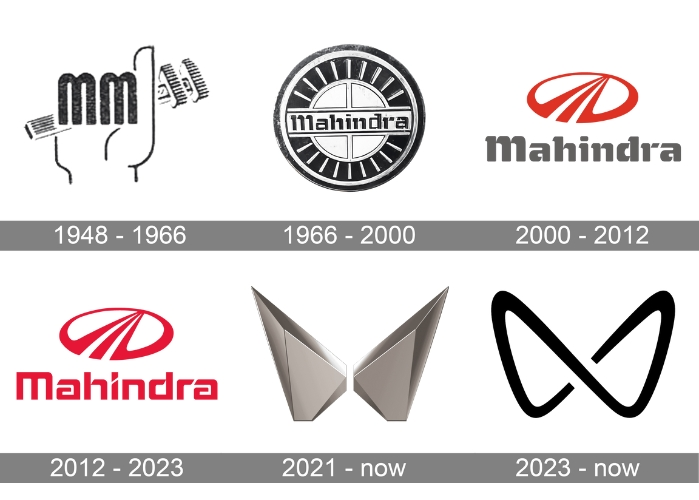
Mahindra’s branding strategy has transformed, positioning it as a youthful, aspirational, and technologically savvy brand. Key marketing moves include:
- Targeted Campaigns: The launch of the XUV700 was accompanied by a high-impact marketing campaign emphasizing luxury and technology.
- Digital First: Mahindra has embraced digital platforms for product launches and customer engagement, creating immersive virtual showrooms and using influencers to reach younger audiences.
- Customer Communities: Initiatives like the Thar Owners Group (TOG) have fostered strong brand loyalty and a sense of community among Mahindra’s customers.
Financial Discipline and Strong Performance
Mahindra’s financial health has played a pivotal role in its success. By divesting loss-making businesses and focusing on profitable ones, the company has improved its margins and cash flows.
Key Financial Metrics
- Market Share Growth: Mahindra’s share in the Indian SUV market rose from 7% in 2020 to over 19% in 2023.
- Revenue Growth: The company reported a 67% YoY increase in net profit for Q1 2023, driven by strong SUV sales and operational efficiencies.
Commitment to Sustainability and Corporate Responsibility
Mahindra has also been a pioneer in sustainability, aligning its goals with global ESG (Environmental, Social, and Governance) standards. The company’s efforts include:
- Carbon Neutrality: Mahindra has committed to becoming carbon-neutral by 2040.
- Green Manufacturing: Plants like the one in Igatpuri are certified as zero-waste-to-landfill facilities.
- Social Impact: Mahindra’s Rise for Good initiative focuses on education, healthcare, and skill development in underprivileged communities.
What Other Auto Companies Can Learn from Mahindra
Mahindra’s journey offers valuable insights for other automotive companies:
- Focus on Core Strengths: Mahindra’s decision to double down on SUVs and EVs while exiting non-core businesses is a lesson in strategic focus.
- Embrace Technology: Leveraging modern manufacturing techniques can enhance efficiency and product quality.
- Customer-Centric Innovation: By prioritizing features that resonate with customers, Mahindra has set a benchmark for product development.
- Agility in Marketing: Embracing digital marketing and influencer partnerships has helped Mahindra connect with younger demographics.
- Sustainability as a Differentiator: Companies that align their operations with sustainability goals can not only contribute to societal good but also win customer trust and loyalty.
Conclusion
Mahindra’s remarkable transformation over the past few years offers valuable lessons for automakers and businesses across industries.
Through bold leadership, technological innovation, strategic focus, and a commitment to sustainability, Mahindra has redefined itself as a formidable player in the global automobile industry.
To read more exciting tales of how companies are succeeding or failing, read IBR’s latest reviews here.
Inside Birchbox’s Journey as a Subscription Box Innovator
Introduction
There’s a certain allure to Birchbox, the beauty company that helped ignite the subscription box craze.
Like many others, I’ve wondered: How did they take something as simple as a monthly delivery and turn it into a business model that has inspired countless imitators?
I decided to dig in and find out. What I discovered was a tale of innovation, adaptability, and hard-earned lessons that every entrepreneur should take note of.
How Birchbox Pioneered the Subscription Box Market
When Katia Beauchamp and Hayley Barna launched Birchbox in 2010, they weren’t just selling beauty samples; they were selling discovery.
Think about it: the beauty industry was a crowded, noisy marketplace. Consumers were overwhelmed by the sheer number of products.
Birchbox came along with a seemingly simple idea—delivering curated beauty samples to your door for a modest monthly fee.
But this idea was anything but simple.
It was genius!
Birchbox tapped into a deep psychological need: the desire to try before you buy. They recognized that consumers wanted to experiment with new products without committing to a full-size purchase.
This model wasn’t just innovative; it was disruptive. They took the age-old strategy of sampling and married it with the subscription model, which, as I found, was relatively new during the 2010s.
I looked into how they implemented this strategy, and it was clear—they didn’t just ride the wave of a trend; they created the wave.
Birchbox’s initial business strategy was razor-focused on making beauty discovery easy, affordable, and fun.
They combined direct-to-consumer (DTC) marketing with e-commerce seamlessly.
As customers received their monthly boxes, they were encouraged to purchase full-size products directly from Birchbox’s online store, creating a smooth transition from sampling to purchase.
Not only did this drive repeat business, but it also turned Birchbox into a trusted advisor in the eyes of their customers.
Why The BirchBox Model Worked: A Closer Look
Birchbox’s subscription box model didn’t just succeed by chance; it thrived because it offered a compelling and multi-faceted value proposition that appealed to both consumers and brands.
Let’s unpack the elements that made the Birchbox model so effective:
1. A Unique Value Proposition: Selling an Experience, Not Just Products
According to co-founder Katia Beauchamp, in an interview with Forbes, Birchbox wasn’t merely distributing beauty samples; it was creating a personalized journey for every subscriber.
Here’s how this approach stood out:
i. Personalization as a Differentiator:
Birchbox capitalized on the growing consumer demand for personalized experiences. By using data collected from customers’ beauty profiles—preferences, skin types, favorite brands, and even style choices—Birchbox tailored each box to individual tastes. This level of personalization made customers feel special and valued, turning them into loyal advocates for the brand.
ii. Creating a Feedback Loop:
The personalized approach wasn’t a one-off tactic; it created a continuous feedback loop. Each month, subscribers were invited to review the products they received, and these reviews provided Birchbox with invaluable data on consumer preferences. This ongoing dialogue helped Birchbox refine its product offerings and improve the customer experience over time. Subscribers felt like their feedback mattered, which fostered a deeper emotional connection with the brand and improved retention rates.
2. Effective Brand Partnerships: A Win-Win for All
Birchbox’s model also thrived due to its strategic partnerships with beauty brands, ranging from well-known names to niche, indie labels.
These partnerships were mutually beneficial in several ways:
i. Cost-Effective Marketing for Brands:
Beauty brands viewed Birchbox as a cost-effective marketing channel. Instead of spending heavily on traditional advertising, brands paid a fee to have their products included in Birchbox’s monthly boxes. This allowed them to reach a highly targeted audience of beauty enthusiasts who were eager to try new products. It’s a much more intimate and direct form of marketing, leading to higher conversion rates.
ii. Sampling with Intent:
Unlike free samples given out in stores, which often go unused or unnoticed, Birchbox subscribers were paying to receive these curated samples. This meant that the products were landing in the hands of genuinely interested consumers, increasing the likelihood of product trials and subsequent purchases. Brands benefited from a more engaged audience, higher conversion rates, and valuable consumer feedback.
iii. Continuous Supply of Fresh Content:
For Birchbox, these partnerships provided a steady supply of new and exciting products to feature in their boxes. The beauty industry thrives on novelty, and Birchbox leveraged this by offering subscribers something new and different each month, keeping the experience fresh and enticing. This was essential for maintaining customer excitement and loyalty.
3. Building a Strong Community: Beyond a Transactional Relationship
Birchbox did more than just sell products; it built a community around beauty discovery and education.
Here’s how:
i. Educational Content and Tutorials:
Birchbox didn’t just send out products; they also provided content on how to use them. Each box was accompanied by detailed descriptions, beauty tips, and tutorials, both in print and online. This educational aspect positioned Birchbox as a trusted advisor, not just a retailer. Subscribers learned to rely on Birchbox not only for new products but also for expertise, creating a sense of loyalty that extended beyond the box itself.
ii. Engagement through Exclusive Events and Content:
Birchbox fostered a sense of community by hosting exclusive events, such as beauty workshops and product launches, for their subscribers. These events created a deeper connection with the brand, converting customers into brand advocates who shared their experiences on social media and through word of mouth, further driving customer acquisition.
4. Creating a Seamless Customer Journey: From Discovery to Purchase
One of the most effective aspects of the Birchbox model was how it seamlessly connected product discovery to purchase.
This was achieved in several ways:
i. E-Commerce Integration:
Birchbox smartly integrated its subscription service with its online store. When a subscriber liked a sample, they could easily purchase the full-sized version directly from Birchbox’s e-commerce site. This created a frictionless path from product trial to conversion, maximizing the lifetime value of each customer.
ii. Leveraging Data for Upselling:
Birchbox used the data it collected from customer profiles and product reviews to suggest full-sized products that aligned with each customer’s preferences. This personalized upselling approach helped boost sales and increased average order value.
5. First-Mover Advantage and Niche Expertise
Finally, Birchbox benefited from being a pioneer in the subscription box space:
i. First-Mover Advantage:
As one of the first companies to popularize the subscription box model in the beauty industry, Birchbox capitalized on its first-mover advantage. They set the standard for what a subscription box service should look like and built significant brand recognition and loyalty before competitors entered the market.
ii. Niche Expertise and Focus:
Birchbox’s commitment to the beauty and personal care niche allowed them to build deep expertise and a highly targeted brand identity. This focus enabled them to deliver a superior experience tailored specifically to beauty enthusiasts, setting them apart from more generalized subscription services.
The Battle with Subscription Fatigue: How Birchbox Fought Back
But, as with any great story, there were challenges.
As I continued my research, one term kept popping up: “subscription fatigue.” It was a hurdle I hadn’t thought about, but it makes total sense.
How many subscription boxes can one person realistically subscribe to?
For Birchbox, customer churn started to become a significant issue. It wasn’t enough to attract customers; Birchbox needed to keep them.
And that’s where their retention strategies came into play.
Fighting Churn with Creativity: Retention Tactics
Birchbox rolled out several strategies to combat churn and keep customers engaged:
i. The Birchbox Points Program:
This loyalty program rewarded subscribers with points for reviewing products, referring friends, and making purchases. These points could be redeemed for discounts on full-size products. I noticed in customer reviews that this approach not only incentivized engagement but also created a community of beauty enthusiasts who actively participated in the Birchbox ecosystem.
ii. Personalized Content and Exclusive Offers:
Birchbox focused its investment on personalized content—beauty tutorials, exclusive access to products, and special offers. This strategy kept subscribers feeling like they were part of something special, which helped stave off the dreaded subscription fatigue.
iii. Diversification and Flexibility:
Birchbox also diversified its offerings. They launched “Birchbox Man” to tap into a new market and introduced flexible subscription plans to give customers more control over their commitment. This move came just in time, as competitors like Ipsy and FabFitFun began gaining traction. Birchbox’s adaptability was key to their survival in an increasingly crowded space.
Current Status of Birchbox: Acquisition and Its Implications
Interestingly, while digging into Birchbox’s story, I found out that the company was acquired by FemTec Health in 2021. This acquisition marked a significant turning point, highlighting both the opportunities and the challenges of scaling a subscription-based business.
FemTec Health, a health and beauty technology company, saw potential in Birchbox’s data-driven model and its established customer base.
However, the fact that Birchbox needed a partner to continue its journey doesn’t diminish the lessons we can learn from its story.
If anything, it underscores how dynamic and unpredictable the subscription market can be. Even the pioneers need to adapt or collaborate to stay relevant.
Lessons for Entrepreneurs: Key Takeaways from Birchbox’s Journey
After examining Birchbox’s approach, several lessons stood out for any entrepreneur looking to enter the subscription-based market:
1. Be Clear About Your Value Proposition:
Birchbox didn’t just sell products; they sold a solution—a way to discover new beauty items without the overwhelm. Ensure your subscription model has a clear, compelling value proposition.
i. Invest in Personalization:
Birchbox’s data-driven approach to curating boxes was pivotal. Collect data, learn about your customers, and offer personalized experiences to keep them engaged.
ii. Retention is as Important as Acquisition:
I saw that Birchbox didn’t just focus on gaining subscribers; they invested heavily in retaining them. Consider loyalty programs, referral incentives, and customer engagement tactics.
iii. Adapt and Diversify:
As competition grew, Birchbox adapted its strategy—launching new lines, offering flexible subscription plans, and even experimenting with physical retail. Be ready to pivot and explore new avenues.
2. Opportunities for Entrepreneurs: What’s Next in Subscription-Based Models?
As I delved deeper, I realized there are still untapped opportunities in the subscription space:
i. Hyper-Personalization:
There’s potential in using AI and machine learning for even more personalized content and product recommendations.
Imagine a subscription box that knows you better than you know yourself!
ii. Niche Markets:
While the general subscription box market may be crowded, niches remain relatively untapped.
Think about specialized interests—eco-friendly products, DIY kits, or wellness-focused boxes.
iii. Sustainability Focus:
Birchbox has dabbled in sustainable packaging, but there’s room for improvement.
Entrepreneurs can appeal to eco-conscious consumers with fully sustainable, ethical offerings.
Conclusion

Birchbox’s story is a masterclass in innovation, agility, and customer-centric thinking. They pioneered a model that transformed how consumers discover and experience products, but they also navigated the rough waters of market saturation and subscription fatigue with creative strategies and a relentless focus on customer experience.
Even though Birchbox has recently been acquired, the core lessons from its journey remain relevant: stay agile, focus on what makes your offering unique, and never lose sight of the value you provide to your customers. If Birchbox has taught us anything, it’s that the key to success lies not just in getting subscribers but in keeping them engaged and coming back for more.
What is Birchbox and Why is Its Journey Significant?
Birchbox is a beauty subscription service that delivers curated samples of skincare, haircare, and makeup products. Its journey is significant because it pioneered the subscription box model, reshaping how consumers discover and purchase beauty products online.
What Challenges Did Birchbox Face in Its Journey?
Birchbox faced challenges such as increased competition, shifting consumer preferences, and rising acquisition costs. These hurdles highlight the importance of innovation, customer retention, and adapting to changing market trends in the subscription industry.
What Can Businesses Learn from Birchbox’s Journey?
Businesses can learn the value of customer experience, personalization, and sustainable growth strategies from Birchbox’s journey. The case shows how a strong idea can disrupt an industry but also stresses the need to evolve with consumer demands.